Category: Social App Fixes

  • Cannot Log In to Your Social App? Try These Proven Fixes

    Cannot Log In to Your Social App? Try These Proven Fixes

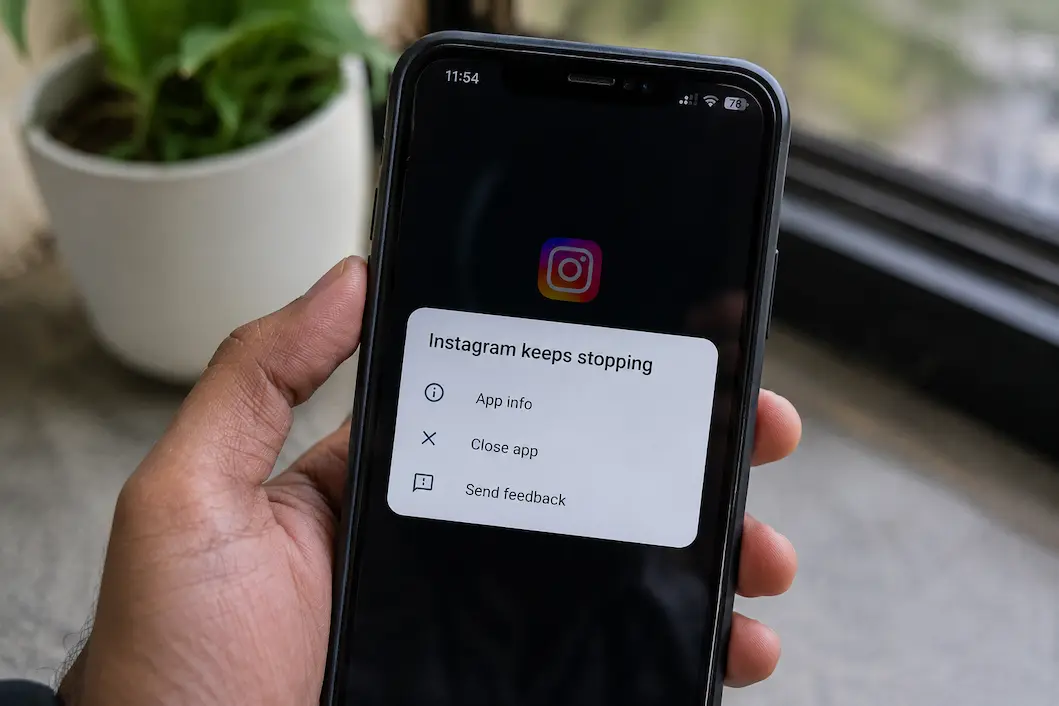
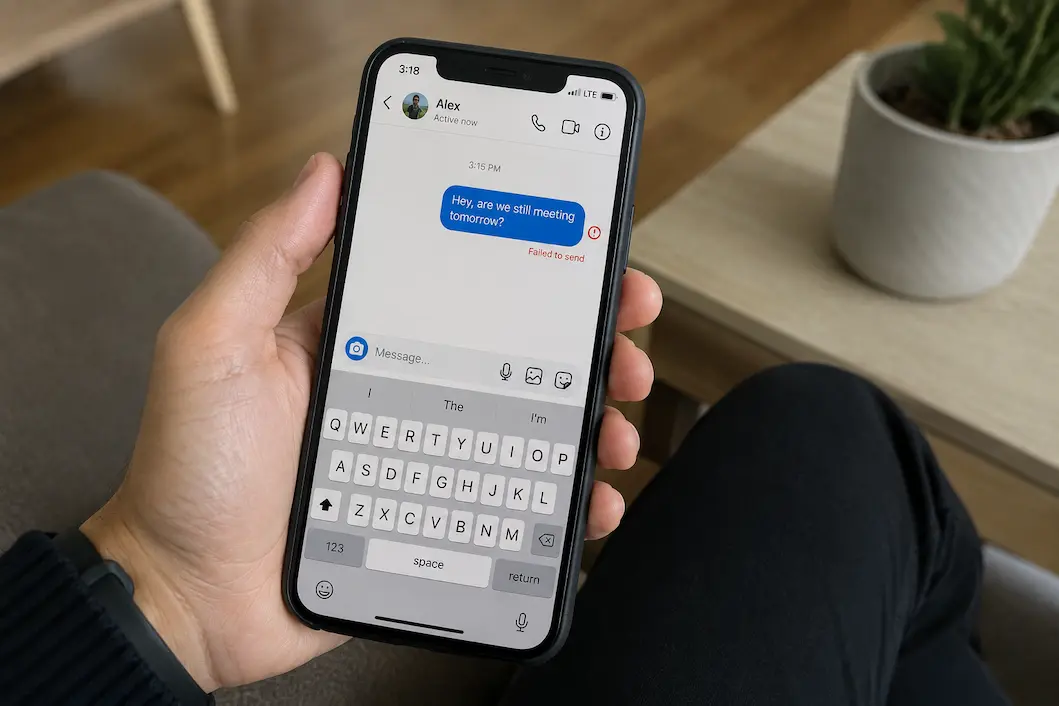
    Few things are more aggravating than opening your favorite social media app and being unable to log in. Login issues might disrupt your day when you want to react to messages, post images, view videos, or chat with friends. Fortunately, most login troubles are simpler than most people imagine. Typing the wrong password can cause the problem, as can an old program, internet connection issues, security checks, or brief server outages. Finding the right place can save hours of frustration.

    This post lists effective troubleshooting strategies for popular social apps. Steps are described in easy English for novices; thus, no technical background is needed. You’ll learn how to find the problem, fix common login failures, safely recover your account, and avoid future troubles. Avoiding random answers, you’ll follow a logical step-by-step procedure to solve the problem faster and preserve your personal information.

    1. Social App Login Issues: Why?

    Before trying remedies, learn why login problems occur. Most social media apps safeguard accounts with multiple layers. If any step of that process fails, you may not sign in.

    Your phone connects to the internet, submits your login credentials to the app’s servers, and waits for verification. Login may fail if the internet is unreliable, the password is wrong, or the servers are down. When they can’t sign in, many people fear their account is hacked. This is feasible, although less common than lost passwords or software errors.

    Common Reasons You Cannot Log In

    Problem Possible Cause
    Wrong password Typing mistake or forgotten password
    Login error Temporary app bug
    Verification failed Security check not completed
    Blank login screen Outdated app or corrupted cache
    Account locked Too many failed login attempts
    Cannot reach server Internet or server outage

    Tip: Always identify the exact error message before attempting a fix. Different messages usually point to different problems.

    Read Error Messages Carefully

    Many people ignore the message shown on the login screen. Instead of tapping the login button repeatedly, read the message carefully. It may say that your password is incorrect, your account needs verification, or the server is temporarily unavailable. That small message often tells you exactly where to begin troubleshooting.

    2. Check Your Internet Connection First

    A weak or unstable internet connection is one of the most common reasons social apps fail to log in. Even if web pages load slowly, the app may not be able to complete its secure login process.

    Simple Internet Checks

    • Open another website to see if it loads.
    • Switch between Wi-Fi and mobile data.
    • Turn Airplane Mode on for 20 seconds, then turn it off.
    • Restart your Wi-Fi router if other devices also have problems.
    • Move closer to your wireless router if the signal is weak.

    If your connection becomes stable after these steps, try logging into the social app again.

    Restart Network Connections

    Sometimes your phone keeps an unstable network connection even after your internet service returns to normal. Restarting Wi-Fi or mobile data forces the device to create a fresh connection. This simple step often fixes login problems without requiring any additional troubleshooting.

    Warning: Public Wi-Fi networks sometimes block secure login connections. If possible, try using your mobile data instead.

    3. Make Sure Your Login Information Is Correct

    Typing mistakes happen more often than most people realize. Even experienced users occasionally enter the wrong email address or password, especially when switching between multiple accounts.

    Things to Double-Check

    • Correct email address
    • Correct phone number
    • Proper username
    • Correct password
    • Uppercase and lowercase letters
    • Extra spaces copied from password managers

    If your password manager automatically fills in your information, verify that it is using the correct account. Sometimes saved passwords become outdated after you change them on another device.

    Check Keyboard Settings

    Auto-correct, predictive text, or different keyboard languages can accidentally change what you type. Passwords are case-sensitive, meaning uppercase and lowercase letters matter. Temporarily showing the password while typing can help you spot mistakes before submitting the login request.

    Common Mistake How to Fix It
    Caps Lock enabled Turn it off before typing
    Wrong email Verify every character
    Old saved password Update password manager
    Typing too quickly Enter information slowly

    4. Reset Your Password Safely

    If you are certain your password is incorrect or you simply cannot remember it, resetting it is usually the fastest solution. Most social apps provide a secure password recovery option on the login screen.

    How Password Recovery Usually Works

    1. Select “Forgot Password.”
    2. Enter your email address or phone number.
    3. Receive a verification code or recovery link.
    4. Create a strong new password.
    5. Log in using the updated password.

    Choose a password that is unique and difficult to guess. Avoid using birthdays, names, or common words that attackers can easily predict.

    Create a Strong Password

    A secure password protects your account from unauthorized access while reducing the chances of future security alerts.

    • Use at least 12 characters.
    • Mix uppercase and lowercase letters.
    • Add numbers.
    • Include symbols if allowed.
    • Do not reuse passwords from other websites.

    Tip: Consider using a trusted password manager to generate and safely store strong passwords.

    5. Update the App and Your Device

    Outdated software is another common reason login issues appear. Social media companies regularly update their apps to improve security, fix bugs, and support new operating system versions. If your device is running an old version of the app, it may no longer communicate properly with the company’s servers.

    Why Updates Matter

    • Fix known login bugs.
    • Improve compatibility.
    • Patch security vulnerabilities.
    • Increase performance.
    • Support new authentication methods.

    Update Both the App and Operating System

    Many users update only the app while ignoring system updates. However, login issues can also occur when an older version of Android or iOS is incompatible with the latest app version. Before spending time on advanced troubleshooting, check for available updates in your device settings and app store.

    Update Benefit
    Social app update Fixes bugs and login errors
    Operating system update Improves compatibility
    Security update Strengthens account protection

    6. Clear Cache and App Data

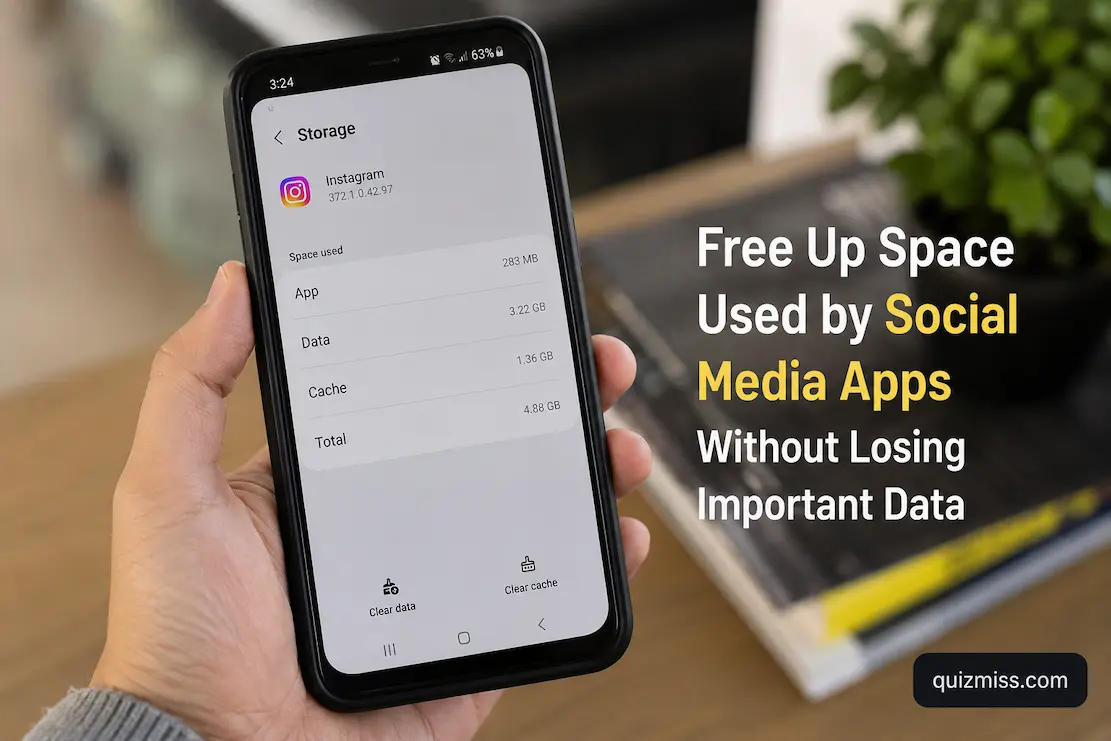
    If your app continues showing the same login error even after updating it, corrupted temporary files may be the cause. Every app stores cached data to load content more quickly, but these files can sometimes become outdated or damaged. Clearing the cache removes temporary files without deleting your account. In many cases, this refreshes the app and resolves persistent login problems.

    When Should You Clear the Cache?

    • The login screen freezes.
    • The app crashes during sign-in.
    • You see the same error repeatedly.
    • The app becomes unusually slow.
    • The interface does not load correctly.

    The exact steps vary depending on your device, but most smartphones allow you to clear an app’s cache from the settings menu under Apps or Storage.

    Tip: Start by clearing only the cache. Clear app data only if necessary, as it may remove downloaded settings and require you to sign in again.

    7. Understand Security Verification and Login Checks

    Modern social apps use security systems to protect users from unauthorized access. These systems are helpful, but they can sometimes prevent you from logging in when the app thinks something unusual is happening. For example, logging in from a new phone, a different country, or an unfamiliar network may trigger an additional verification step. The app is not necessarily blocking you permanently; it is trying to confirm that you are the real account owner.

    Common Security Checks You May Encounter

    Security Check What It Means What To Do
    Email verification The app sends a confirmation link Open your email and confirm the login
    SMS code A temporary code is sent to your phone Enter the code carefully
    Two-factor authentication An extra security layer is enabled Use your authentication app or backup code
    Identity confirmation The platform needs more proof Follow official recovery instructions

    Why Verification Codes Sometimes Fail

    A common complaint is that users request a verification code but never receive it. This can happen for several reasons:

    • The phone signal is weak.
    • The email went to the spam folder.
    • The code was requested too many times.
    • The phone number or email address is outdated.
    • The service provider delayed delivery.

    Avoid requesting many codes repeatedly. Some platforms temporarily limit verification attempts for security reasons.

    Security Tip: Never share a login verification code with anyone. Real support teams will not ask for your private security code.

    8. Check If the Social App’s Servers Are Down

    Sometimes the problem has nothing to do with your phone, password, or internet connection. Social apps depend on large online systems called servers. If those systems experience problems, many users may suddenly be unable to log in. During a server outage, changing your password, reinstalling the app, or restarting your device usually will not help because the issue is happening on the company’s side.

    Signs That the App Server May Be Down

    • Many users report the same login problem.
    • The app suddenly stopped working after previously working normally.
    • The website version also fails.
    • You receive server-related error messages.
    • Friends or family members experience the same issue.

    How To Confirm a Server Problem

    You can check official status pages, announcements from the platform, or reliable outage-reporting services. Always use trustworthy sources because scammers sometimes create fake outage pages to steal account information.

    Problem Type Your Device Company Servers
    Password error Possible Unlikely
    App completely unavailable Possible Likely
    Many users affected Unlikely Very likely
    Only your account is affected Possible Possible

    Tip: Before making major changes to your account, confirm whether the problem is widespread.

    9. Try Logging In From Another Device

    Testing your account on another device is a simple way to identify where the problem exists. If you can log in successfully on another phone or computer, your account is probably fine, and the issue is likely related to your original device.

    Examples of Useful Tests

    • Try the app on another smartphone.
    • Open the social platform through a web browser.
    • Try a different browser if using a computer.
    • Use another internet connection.

    This process helps separate account problems from device problems.

    Test Result Likely Cause
    Works on another device Problem with your original device or app
    Fails everywhere Account or server issue
    Works only in a browser. App-related problem
    Works only on mobile data Network restriction issue

    Do Not Immediately Factory Reset Your Phone

    A common mistake is performing extreme solutions too early. Resetting your entire device can remove personal files, photos, and settings while not solving the actual login problem. Always try simpler fixes first, such as checking credentials, updating software, and reinstalling only the affected app.

    10. Recover a Locked or Disabled Account

    Sometimes users cannot log in because their account has been temporarily locked, restricted, or disabled. Social platforms may take these actions when they detect unusual activity, possible security threats, or violations of their rules. A locked account does not always mean permanent loss. Many platforms provide recovery options that allow users to confirm their identity and regain access.

    Possible Reasons an Account Gets Locked

    • Too many unsuccessful login attempts.
    • Suspicious login activity.
    • Using unauthorized third-party applications.
    • Unusual activity patterns.
    • Violation of platform policies.

    Steps To Recover a Locked Account

    1. Visit the official account recovery page.
    2. Follow the identity verification process.
    3. Change your password if requested.
    4. Remove unknown devices from account settings.
    5. Enable additional security features.

    Warning: Avoid websites or people claiming they can unlock your account for a fee. Many of these services are scams.

    11. Reinstall the Social App When Other Fixes Fail

    If the app itself is damaged or important files are corrupted, reinstalling may solve the problem. This removes the existing application and installs a fresh version from the official app store.

    Before Reinstalling

    • Make sure you remember your login details.
    • Confirm you have access to your email or phone number.
    • Save important drafts if the app stores them locally.
    • Check that your account is properly backed up.

    Why Reinstalling Works

    Over time, apps collect temporary files, settings, and stored information. A damaged file can prevent normal operation. Reinstalling removes these local problems and gives the app a clean start.

    Solution Risk Level When To Use
    Restart the app. Very low First step
    Clear cache Low The app behaves strangely
    Update the app. Low Older version installed
    Reinstall app Medium Other fixes fail
    Factory reset device High Only as a last option

    Conclusion

    Having trouble logging into a social app can be annoying, especially when you need messages or updates. Or you can fix most login issues with a few simple actions. First, check your internet connection, login details, app updates, and security verification requirements. If those options fail, check for account limitations, corrupted app data, or server outages.

    The most crucial lesson is to troubleshoot before making changes. Use secure passwords, avoid questionable recovery services, and update account security settings. Effective account practices and a defined troubleshooting method may solve many social app login difficulties quickly and prevent recurrence.

    FAQs

    1. Why can’t I connect to my social app with the proper password?

    If you have the right password but can’t log in, there may be additional causes. The app may be down, your account needs verification, or your installation is malfunctioning. Try checking your internet, upgrading the program, and logging in via a browser. If the issue persists, follow the platform’s account recovery method.

    2. How can I know my social media account was hacked?

    Unexpected password changes, login notifications, account messages, or profile information changes may indicate a hijacked account. Being unable to log in does not always mean your account was hacked. Start with typical recuperation. As soon as you suspect unwanted access, change your password, remove unknown devices, and set up two-factor authentication.

    3. Why am I not receiving the login verification code?

    Verification codes may not come due to delayed communications, wrong contact information, spam filtering, bad phone reception, or too many inquiries. Verify your email or phone number and check your spam or trash folder. Avoid several code queries quickly since some services momentarily block them for security.

    4. Will removing and reinstalling the app delete my account?

    No, removing the app does not remove your social media account. The platform’s servers maintain your account information, not just your phone. Reinstalling requires knowing your login credentials and having access to your recovery email or phone number.

    5. Can a bad internet connection limit social app login?

    Yes. Stable connections are needed for social apps to securely communicate with servers. A poor Wi-Fi signal, inconsistent mobile data, or network restrictions can disrupt login. Switch networks, restart your connection, or test the program on another internet connection to determine if the network is the issue.

  • Make Slow Social Apps Run Faster with These Easy Tweaks

    Make Slow Social Apps Run Faster with These Easy Tweaks

    Social media apps have become part of everyday life. People use them to chat with friends, watch videos, share photos, follow news, and stay connected. However, one frustrating problem affects many users: apps that feel slow, freeze while scrolling, take too long to open, or drain battery quickly. A slow social app does not always mean you need a new phone. In many cases, simple changes in your device settings, app habits, storage management, and network connection can make a noticeable difference. Many users continue using apps with unnecessary files, outdated versions, or settings that reduce performance without realizing it.

    This guide explains practical ways to improve social app speed without complicated technical knowledge. You will learn how to clean app data, manage storage, improve internet performance, adjust phone settings, and prevent common issues that make apps slower over time. Whether you use social apps occasionally or spend hours browsing every day, these beginner-friendly tweaks can help create a smoother and more reliable experience.

    1. Why Social Apps Become Slow Over Time

    Many people assume that a slow social media app means the app itself is poorly designed. While app problems can happen, slow performance is often caused by changes that happen naturally during regular use.

    Social apps constantly download new content, store images, save videos temporarily, and collect small files that help pages load faster. Over months of use, these files can become large and may actually slow things down instead of improving performance.

    Common reasons social apps become slower

    • Too much cached data: Temporary files can take up storage and create performance issues.
    • Low storage space: Phones work slower when they have very little free space available.
    • Outdated app versions: Older versions may contain bugs or compatibility problems.
    • Poor internet connection: Slow networks make apps appear frozen or unresponsive.
    • Too many background processes: Other apps may use memory and processing power.
    • Device age: Older phones may struggle with newer app features.
    Problem What You Notice Possible Solution
    Large cache files App opens slowly or freezes Clear temporary files
    Low storage Phone feels slow overall Remove unused files
    Weak internet Videos buffer or images load slowly Improve connection
    Old app version Crashes or missing features Install updates

    Tip: Before changing advanced settings, identify the real cause of the slowdown. A simple storage cleanup may solve the problem.

    2. Check Your Internet Connection First

    One of the most common reasons social apps feel slow is a weak or unstable internet connection. Many users blame the app when the real problem is their Wi-Fi or mobile network. Social media platforms depend heavily on internet speed because they constantly load photos, videos, advertisements, messages, and live updates. Even a powerful smartphone can feel slow when the connection is unreliable.

    Simple ways to test your connection

    • Open another website and check if it loads normally.
    • Try switching between Wi-Fi and mobile data.
    • Move closer to your Wi-Fi router.
    • Restart your router if other devices are also slow.
    • Disable and reconnect your network connection.

    Wi-Fi vs mobile data performance

    Connection Type Advantages Possible Problems
    Wi-Fi Usually faster and uses less mobile data Can slow down with distance or many connected devices
    Mobile Data Works anywhere with network coverage Speed depends on signal strength and data limits

    Common internet mistakes

    Many people keep using a weak Wi-Fi signal and repeatedly restart their apps. This does not solve the actual problem. If multiple apps are slow at the same time, your connection is more likely the cause. Also remember that internet speed is different from internet stability. A connection can appear fast in a speed test but still have interruptions that affect video loading and scrolling.

    Warning: Avoid downloading large files or streaming high-quality videos while testing app performance. Other activities may use your available bandwidth.

    3. Keep Social Apps Updated

    App updates are not only about getting new features. Developers regularly release updates to fix bugs, improve security, and make applications work better with newer operating systems. Using an outdated version of a social app can lead to slow performance, unexpected crashes, and compatibility problems. This is especially common after a phone receives a major system update.

    Why updates improve speed

    • They remove known bugs that may slow the app.
    • They improve memory management.
    • They fix problems with newer phone software.
    • They optimize loading times.
    • They improve security and stability.

    How to update apps

    On Android devices, open the app store, go to your account section, and check available updates. On iPhones, open the App Store and review pending updates. Turning on automatic updates can help, but it is still useful to check manually from time to time. Some users disable updates because they worry about storage usage, but outdated apps often create bigger problems.

    Update Habit Result
    Regular updates Better stability and fewer bugs
    Ignoring updates for months Higher chance of slowdowns
    Updating only when problems appear Possible temporary fixes but not ideal maintenance

    4. Clear Cache and Temporary Files

    Cache files are temporary data stored by apps to make future loading faster. For example, a social media app may save images or page information so it does not need to download everything again. However, cached files can become too large or contain outdated information. When this happens, they may contribute to slow performance instead of improving it.

    When should you clear cache?

    Clearing cache can help when you notice problems such as:

    • The app takes a long time to open.
    • Images fail to load correctly.
    • The app freezes during scrolling.
    • The app uses unusually high storage.

    Cache clearing vs deleting app data

    Action What Happens Risk Level
    Clear Cache Removes temporary files Low risk
    Clear App Data Resets the app completely May remove saved settings and require login
    Uninstall App Removes the entire application Requires reinstalling

    Best Practice: Start with clearing cache before trying more aggressive solutions like deleting app data or reinstalling the application.

    5. Free Up Device Storage Space

    Your phone needs free storage space to work properly. When storage becomes almost full, the operating system has less room for temporary files, updates, and background tasks. Social apps are often responsible for using large amounts of storage because they handle photos, videos, downloaded media, and message attachments.

    Ways to free storage

    • Delete unused apps.
    • Remove duplicate photos and videos.
    • Move large files to cloud storage or external storage.
    • Delete old downloads.
    • Review social app media folders.

    How much free storage should you keep?

    There is no exact number that works for every device, but keeping some free space available helps maintain smoother performance. A phone with almost no remaining storage may become noticeably slower during everyday tasks.

    Storage Situation Expected Performance
    Plenty of free space Better overall speed
    Limited free space Possible slowdowns
    Almost full storage Higher chance of freezing and errors

    Tip: Check storage once every few weeks. Small cleanups are easier than waiting until your phone becomes unusably slow.

    6. Control Background Apps and Processes

    Many social apps continue working even when you are not actively using them. They may check for new messages, refresh feeds, download notifications, or update content in the background. These activities are useful, but too many background processes can slow down your phone. When several apps compete for memory, processor power, and internet access, the social apps you are using may respond more slowly. This is especially noticeable on older devices or phones with limited memory.

    What are background processes?

    A background process is an activity performed by an app while it is not open on your screen. For example, a messaging app may stay active to notify you about new messages. Some background activity is necessary, but unnecessary apps running all the time can reduce performance.

    How to reduce background activity

    • Close apps you are not using.
    • Disable background refresh for apps that do not need constant updates.
    • Remove unused apps that run automatically.
    • Restart your phone occasionally to clear temporary memory issues.
    • Check which apps consume the most battery and data.
    Background Activity Effect on Performance Recommended Action
    Messaging notifications Usually low impact Keep enabled if important
    Automatic video downloads Can use storage and data Disable if unnecessary
    Multiple social apps refreshing May slow device response Limit background activity
    Unused apps running Consumes resources Remove or restrict

    Common mistake

    Many users install performance booster apps thinking they will speed up their phones. However, many of these apps run constantly in the background themselves, using the same resources they claim to save.

    Expert Tip: Your phone’s built-in settings are usually safer and more effective than third-party cleaning apps.

    7. Adjust Phone Settings for Better Performance

    Small changes in your phone settings can improve how quickly social apps respond. You do not need advanced technical knowledge to make useful adjustments. Modern smartphones include several features designed to balance performance, battery life, and data usage. Understanding these options helps you choose settings that match your needs.

    Reduce unnecessary visual effects

    Animations and visual effects make phones feel smoother, but on older devices they may consume extra processing power. Reducing some effects can make navigation feel faster.

    Keep your operating system updated

    Social apps depend on your phone’s operating system. System updates often include improvements that help apps run more efficiently.

    • Install official system updates when available.
    • Restart after major updates if recommended.
    • Avoid using unsupported operating systems.

    Useful phone settings to review

    Setting Possible Benefit
    Background app limits Reduces unnecessary resource usage
    Storage management Keeps enough free space available
    Automatic updates Keeps apps secure and compatible
    Power management Balances speed and battery usage

    Avoid extreme optimization

    Some users disable almost every feature to increase speed. This can create other problems, such as delayed notifications or missing important updates. The goal is not to remove everything. The goal is to create a balanced setup where your apps work smoothly while your phone remains useful.

    8. Reduce Data Usage Without Losing Important Features

    Social media apps are designed to load rich content quickly. High-quality photos, autoplay videos, and large files can make apps feel slower, especially when using mobile data or slower networks. Reducing unnecessary data usage can improve loading speed and help your phone handle social apps more efficiently.

    Turn off automatic video playback

    Videos require more data and processing power than simple text or images. If videos automatically play while scrolling, your phone constantly loads content you may not even watch.

    Use built-in data-saving options

    Many popular social apps include settings that reduce image quality, limit downloads, or delay background loading.

    Feature Performance Impact When to Use
    Autoplay videos High data and processing use Disable on slower devices
    High-quality media uploads Uses more storage Reduce when unnecessary
    Automatic downloads Consumes bandwidth Turn off if not needed

    Benefits of reducing data usage

    • Faster loading on slower connections.
    • Lower mobile data consumption.
    • Less storage usage.
    • Reduced battery drain.

    Tip: A faster experience does not always require faster internet. Sometimes reducing unnecessary content loading makes the biggest difference.

    9. Improve Performance by Managing Battery Settings

    Battery-saving features help your phone last longer, but some aggressive settings may reduce app performance. Phones often limit background activity and processing power when battery-saving modes are active.

    This can be helpful when your battery is low, but it may make social apps slower during normal use.

    Check battery-saving modes

    If social apps suddenly become slower, check whether your phone has entered a power-saving mode. Some devices automatically enable these features when battery levels drop.

    Balance battery life and speed

    Battery Setting Effect
    Normal mode Balanced performance
    Battery saver Longer battery life but reduced background activity
    Extreme power mode Maximum battery saving with limited features

    Other battery-related tips

    • Avoid using damaged or poor-quality chargers.
    • Keep your phone at a comfortable temperature.
    • Close apps that constantly use high power.
    • Check battery health on older devices.

    Heat is another overlooked issue. When a phone becomes too hot, it may automatically reduce performance to protect internal components. This can make scrolling, video playback, and app switching feel slower.

    Warning: Do not place your phone in extreme temperatures to improve speed. Overheating can damage the device.

    10. Advanced Troubleshooting Steps

    If basic adjustments do not improve performance, you can try deeper troubleshooting methods. These steps are still safe for beginners but require more attention.

    Restart your device

    A simple restart can solve temporary software problems. Phones may experience memory issues after running continuously for many days.

    Log out and sign back into the app

    Sometimes account synchronization problems can make an app behave incorrectly. Logging out and signing back in can refresh the connection.

    Reinstall the social app

    If an app continues freezing or crashing, reinstalling it can remove corrupted files and install a clean version.

    Before reinstalling, remember:

    • Save important drafts if the app stores them locally.
    • Make sure you know your login details.
    • Enable backups if the app provides that option.
    Troubleshooting Step Difficulty Level When to Try
    Restart phone Easy First step for temporary problems
    Clear cache Easy When apps feel slow
    Reinstall app Medium When problems continue
    Factory reset Advanced Only after other solutions fail

    11. Long-Term Maintenance Tips for Faster Social Apps

    Keeping social apps fast is not a one-time task. Small maintenance habits can prevent performance problems from returning.

    Create a simple monthly maintenance routine

    • Review unused apps.
    • Delete unnecessary downloads.
    • Install pending updates.
    • Check available storage.
    • Restart your phone occasionally.
    • Review apps with high battery usage.

    Best practices for smoother performance

    Habit Why It Helps
    Keep storage organized Allows the phone to work efficiently
    Update apps regularly Improves compatibility and security
    Limit unnecessary notifications Reduces background activity
    Use official app stores Reduces security risks

    Things to avoid

    • Installing unknown cleaning applications.
    • Ignoring storage warnings.
    • Using outdated app versions for long periods.
    • Running many demanding apps at the same time.
    • Ignoring repeated crashes.

    A little regular care can extend the useful life of your phone and keep everyday apps running smoothly.

    FAQs

    1. Why are my new phone’s social media apps slow?

    Social apps might be slow on a new phone due to internet speed, storage capacity, app settings, and software upgrades. A fast gadget with a weak network connection may feel slower than an older one. Check Wi-Fi or mobile data first, then storage and background activity. Updating apps and the phone OS is also important.

    2. Does emptying social app cache speed them up?

    Cache clearing improves performance when temporary files are large or obsolete. Cache speeds up program loading, however corrupted or excessive cached files can freeze, lag, or exhibit difficulties. Cache clearing does not remove account or post data. Avoid removing app data until necessary because it may delete saved settings and require relogging in.

    3. Does my phone need much free storage to work well?

    No gadget needs the same amount of free storage, but some is essential. Your phone may struggle with temporary files, updates, and normal functions when storage is virtually full. Uninstalling programs, downloads, and videos regularly improves performance. A simple routine of checking storage every few weeks minimizes sudden slowdowns.

    4. Can too many social media apps delay my phone?

    Yes, having several social applications can slow performance, especially if they run background processes, send notifications, or store lots of media. Apps can use storage, memory, battery, and internet. Uninstalling unused programs and limiting background activity for non-update apps is helpful.

    5. Will phone cleaning applications speed up social apps?

    Third-party cleaning programs are unnecessary for most users. Modern Android and iOS devices provide storage, battery, and app performance tools. Cleaning programs that operate in the background may generate needless notifications or drain system resources. Better still, utilize your phone’s settings, manually delete unneeded files, and update apps.

    Conclusion

    Slow social apps can be frustrating, especially when you rely on them for communication, entertainment, and daily updates. However, many performance problems can be solved without buying a new device or using complicated tools. The most effective improvements usually come from simple actions: maintaining enough storage space, keeping apps updated, improving your internet connection, controlling background activity, and removing unnecessary files. These small changes help your phone use its resources more efficiently.

    Remember that app speed depends on several factors working together. A strong phone cannot overcome a weak internet connection, and a fast network cannot fully fix a device with limited storage or outdated software. By following the steps in this guide and creating a simple maintenance routine, you can enjoy a smoother social media experience and help your device perform better for longer.

    References

    The following sources provide reliable information about smartphone performance, app management, and device maintenance:

    • Google Android Help: Official Android support documentation covering device storage, app management, and troubleshooting.https://support.google.com/android/
    • Apple Support: Official guides about iPhone storage management, app updates, and device performance.https://support.apple.com/
    • Federal Communications Commission (FCC): Consumer information about internet connections, broadband performance, and connectivity.https://www.fcc.gov/
    • National Institute of Standards and Technology (NIST): Cybersecurity and technology guidance related to safe device usage.https://www.nist.gov/
    • Android Developers Documentation: Technical information about app performance, background processes, and optimization practices.https://developer.android.com/
  • Recover a Locked Social Account Without the Guesswork

    Recover a Locked Social Account Without the Guesswork

    Finding out that your social media account is locked can be frustrating. One moment you are checking messages, sharing updates, or connecting with friends, and the next moment you are unable to access your account. Many people panic and try random solutions, which can sometimes make recovery harder. A locked account does not always mean it is permanently lost. Social platforms usually lock accounts because of unusual activity, security concerns, forgotten login details, policy issues, or automated systems detecting something that needs verification. The important thing is knowing the correct steps instead of guessing.

    This guide explains how to recover a locked social account in a safe and organized way. You will learn why accounts get locked, what recovery options are available, how to verify your identity, which mistakes to avoid, and how to protect your account after you regain access. Whether you use social media for personal communication, business, or staying connected with communities, these practical steps can help you approach account recovery with confidence.

    Why Social Accounts Get Locked

    Social media platforms use automated security systems to protect users from hacking attempts, spam, fake activity, and unauthorized access. When these systems notice something unusual, they may temporarily restrict access until the account owner confirms their identity. A locked account is usually a security measure rather than a punishment. Understanding the reason behind the lock can help you choose the right recovery method.

    Common Reasons Social Accounts Become Locked

    • Suspicious login activity: Logging in from a new device, unusual location, or unfamiliar network may trigger a security check.
    • Too many failed login attempts: Repeatedly entering incorrect passwords can make the platform temporarily block access.
    • Security concerns: If a platform suspects someone else may be using your account, it may lock the account to protect your information.
    • Violation of platform rules: Posting restricted content, using automation tools, or breaking community guidelines can result in restrictions.
    • Fake or incomplete account information: Some platforms may request verification if account details appear inaccurate.
    • Third-party app activity: Connected apps or services with unusual behavior can sometimes cause security warnings.

    Tip: Before trying recovery methods, think about what changed recently. Did you install a new app, log in from another device, change your password, or receive unusual messages?

    Temporary Lock vs Permanent Restriction

    Not every locked account has the same problem. Some restrictions last only a few minutes or hours, while others require a review process.

    Lock Type What It Means Typical Solution
    Temporary Security Lock The platform detected unusual activity. Complete verification and wait for access restoration.
    Password Lockout Too many incorrect login attempts. Reset your password and confirm ownership.
    Identity Verification Lock The platform needs proof you own the account. Submit requested verification details.
    Policy Restriction The account may have broken platform rules. Review the decision and submit an appeal if available.

    Identify What Type of Account Lock You Have

    Before starting recovery, identify the exact problem. Many people waste time because they treat every account lock the same way. The recovery process depends on whether you forgot your password, lost access to your email, or received a security restriction.

    Check the message shown during login.

    The message displayed by the platform often provides important clues. Pay attention to the exact wording because it can tell you what action is required.

    For example:

    • “Your account has been temporarily locked” usually means a security check is needed.
    • “Verify your identity” means the platform needs confirmation that you are the owner.
    • “Incorrect password” may simply require a password reset.
    • “Account disabled” may require an appeal or policy review.

    Ask These Questions Before Taking Action

    • Can you still access the email address connected to the account?
    • Can you receive verification codes on your phone number?
    • Did you recently change your password?
    • Did you receive any security alerts?
    • Are you able to log in from a device you previously used?

    These answers help determine the safest recovery path. Avoid immediately creating a new account because you may still be able to recover the original one.

    First Steps to Take Before Starting Recovery

    Preparation makes account recovery easier. Before submitting forms or requesting verification codes, gather the information that proves you are the rightful owner.

    Collect Important Account Details

    Depending on the platform, you may need some of the following information:

    • The username or profile name connected to the account
    • The email address used during registration
    • The phone number linked to the account
    • Previous passwords you remember
    • Approximate account creation date
    • Devices you normally use for login
    • Recent activity information

    Secure Your Email Account First

    Your email account is often the key to recovering a locked social account. If someone else has access to your email, they may be able to reset passwords or intercept recovery messages.

    Before continuing:

    • Change your email password if you suspect unauthorized access.
    • Enable two-factor authentication on your email account.
    • Check for unfamiliar login activity.
    • Remove unknown connected devices.

    Warning: Never share your password, verification codes, or recovery links with anyone claiming they can unlock your account. Legitimate platforms do not ask for your password.

    Using Official Account Recovery Options

    The safest way to recover a locked social account is through the platform’s official recovery system. Avoid websites, apps, or individuals promising instant account unlocking because many of these are scams designed to steal login information.

    Use the “Forgot Password” option carefully.

    If the problem is related to login access, start with the platform’s built-in password recovery process. Follow the instructions slowly and make sure you are using the correct email address or phone number.

    Common recovery methods include:

    Recovery Method How It Works Things to Remember
    Email Verification A recovery link is sent to your registered email. Check spam or junk folders.
    Phone Verification A security code is sent by SMS. Make sure your phone number is still active.
    Backup Codes Previously saved security codes can restore access. Use them carefully and store new ones safely.
    Identity Review The platform checks information to confirm ownership. Provide accurate information only.

    Always access recovery pages directly through the official website or mobile application. Avoid clicking recovery links from unknown emails or messages.

    Understanding Identity Verification Processes

    Many social platforms use identity verification to make sure the person requesting access is the real account owner. This step can feel inconvenient, but it exists to prevent hackers from taking over accounts. The verification method depends on the platform and the type of account issue. Some users may only need to confirm an email address, while others may need to provide additional information.

    Common Identity Verification Methods

    Verification Method What Happens Helpful Advice
    Email Confirmation A verification message is sent to your registered email address. Check all folders, including spam and promotions.
    Phone Number Verification A security code is sent through SMS or an automated call. Make sure your phone can receive messages.
    Device Verification The platform checks whether you are using a familiar device. Try logging in from a device you normally use.
    Identity Documents Some platforms may request official identification. Only submit documents through official recovery channels.
    Security Questions You answer questions related to your account history. Provide consistent and accurate answers.

    How to Complete Verification Successfully

    Small mistakes during verification can delay recovery. Follow these best practices:

    • Use information that matches your original account details.
    • Avoid creating multiple recovery requests at the same time.
    • Use a stable internet connection while completing verification.
    • Upload clear images if documents are requested.
    • Read every instruction before submitting information.

    Expert Tip: If a platform asks when you created your account or when you last accessed it, provide your best accurate estimate instead of guessing random dates.

    Common Recovery Problems and Solutions

    Even when users follow the correct process, account recovery can become difficult. Usually, the problem is not the recovery system itself but missing access to important account information.

    Problem: You Cannot Access Your Email Address

    Many recovery processes depend on email access. If your email account is unavailable, recover your email first before attempting social account recovery.

    Possible solutions:

    • Use your email provider’s account recovery options.
    • Check whether you have a backup email or phone number.
    • Review old devices where your email may still be signed in.
    • Update your email security settings after regaining access.

    Problem: You No Longer Have Your Old Phone Number

    A changed phone number can block SMS verification. In this situation, look for alternative options such as email verification, trusted devices, backup codes, or account recovery forms. Avoid using someone else’s phone number as a replacement unless the platform specifically allows it. Recovery information should always belong to you.

    Problem: Recovery Codes Are Not Arriving

    Sometimes verification codes are delayed or blocked. Try these steps:

    • Wait several minutes before requesting another code.
    • Confirm that your phone has signal.
    • Check if your email inbox is full.
    • Make sure you are requesting codes for the correct account.
    • Avoid repeatedly requesting codes because this can trigger additional security limits.

    Problem: Your Account Was Hacked Before Being Locked

    A locked account may sometimes be the result of unauthorized access. If you believe someone entered your account, focus on security first.

    Recommended actions:

    1. Change the password after recovery.
    2. Remove unknown devices from account settings.
    3. Review recent login activity.
    4. Remove suspicious connected applications.
    5. Enable two-factor authentication.

    Mistakes That Can Delay Account Recovery

    Many recovery attempts fail because users accidentally make the situation more complicated. Avoiding common mistakes improves your chances of restoring access quickly.

    1. Trying Random Passwords Repeatedly

    Entering many incorrect passwords can trigger additional security restrictions. If you cannot remember your password, use the official reset process instead.

    2. Using Unofficial Recovery Services

    Some websites and individuals claim they can unlock any account instantly. These services are often unsafe and may attempt to steal your password, payment information, or personal data.

    Warning: Anyone asking for your password or private verification code is not providing legitimate account recovery help.

    3. Creating Too Many Support Requests

    Submitting many recovery forms within a short period can slow down the review process. It is better to provide one complete and accurate request.

    4. Providing Incorrect Information

    False information can make it harder for automated systems to confirm ownership. Always provide details that match your account history.

    5. Ignoring Security Alerts

    Many users focus only on unlocking their account and forget to investigate why it happened. If the cause was a security issue, the account may become locked again.

    Protecting Your Account After Recovery

    Recovering your account is only the first step. The next goal is preventing the same problem from happening again.

    Enable Two-Factor Authentication

    Two-factor authentication adds another security layer. Even if someone discovers your password, they usually cannot access your account without the second verification method.

    Common two-factor authentication options include:

    • Authentication apps
    • Security keys
    • SMS verification
    • Email confirmation

    Create a Strong and Unique Password

    A strong password should not be reused across multiple websites. If one service experiences a data breach, reused passwords can put other accounts at risk.

    Weak Password Habit Better Practice
    Using the same password everywhere Create a unique password for every important account
    Using personal information Avoid names, birthdays, and easy-to-guess details
    Short passwords Use longer passwords with different character types
    Saving passwords in unsafe places Use a trusted password manager

    Review Connected Apps and Devices

    Many social platforms allow third-party apps to connect with your account. Some older connections may no longer be needed.

    Regularly check:

    • Apps with account access
    • Logged-in devices
    • Recent login locations
    • Security notifications

    How to Prevent Future Account Locks

    Prevention is easier than recovery. A few simple habits can reduce the chance of your account being locked again.

    Keep Your Account Information Updated

    Make sure your recovery email and phone number are current. Old contact information can become a major problem when you need to verify ownership.

    Avoid Suspicious Activity

    Social platforms often flag unusual behavior. Avoid actions that appear automated or unsafe.

    • Do not use unauthorized automation tools.
    • Avoid sending large numbers of messages quickly.
    • Do not log in through suspicious websites.
    • Be careful with public Wi-Fi networks.

    Maintain Regular Security Checks

    A monthly security review only takes a few minutes but can prevent major problems later.

    • Check active sessions.
    • Review privacy settings.
    • Remove unused apps.
    • Update passwords when needed.
    • Confirm recovery information is correct.

    Account Recovery Checklist

    Use this checklist when dealing with a locked social account:

    Step Completed
    Identify why the account was locked
    Check access to email and phone number
    Use only official recovery options
    Prepare account ownership details
    Complete verification carefully
    Change password after recovery
    Enable two-factor authentication
    Review security settings

    FAQs

    1. Can I recover a locked social account without my old phone number?

    Yes, recovery may still be possible if you no longer have access to your old phone number. Many platforms provide alternative verification methods, such as email confirmation, trusted devices, backup codes, or identity verification. Start by checking the official recovery options available on the platform. Avoid adding a new phone number randomly unless the recovery process allows it. The best approach is to prove ownership using information that was already connected to your account.

    2. How long does it take to recover a locked social account?

    The recovery time depends on the reason your account was locked and the verification method required. Some temporary security locks may be removed within hours after successful verification, while more complicated cases involving identity checks or policy reviews may take longer. Providing accurate information and following official instructions can help avoid delays. Avoid submitting multiple requests repeatedly because this may slow down the review process.

    3. Is a locked social account the same as a deleted account?

    No, a locked account and a deleted account are different situations. A locked account usually means access has been restricted temporarily or until you complete a security check. A deleted account may have been permanently removed by the user or platform. If your account is locked, there is often still a recovery path available. Check the exact message shown during login to understand what type of problem you are facing.

    4. What should I do if I think someone hacked my account?

    If you suspect unauthorized access, focus on securing your account before doing anything else. Use the official recovery process, change your password once access is restored, remove unknown devices, and review recent account activity. Also, secure the email address connected to your social account because attackers often target email accounts to maintain access. Enable two-factor authentication to add an extra layer of protection.

    5. Can customer support unlock my account immediately?

    Customer support can help with certain account problems, but they usually cannot instantly remove every restriction. Security systems often require verification before access is restored. Support teams may review cases involving disabled accounts, identity concerns, or technical issues. The fastest approach is usually completing the official recovery steps first and providing accurate information if additional support is required.

    Conclusion

    A locked social account can be stressful, especially when you depend on it for communication, memories, or professional activities. However, the recovery process becomes much easier when you approach it carefully instead of trying random solutions.

    The most important steps are understanding why the account was locked, using official recovery options, verifying your identity correctly, and avoiding unsafe services that promise instant access. Preparation also matters. Keeping your email secure, updating recovery information, and enabling additional security features can prevent many future problems. Account recovery is not about finding shortcuts. It is about following the correct process, protecting your information, and proving that you are the rightful owner. By applying the methods explained in this guide, you can handle account locks more confidently and improve your overall online security.

    References

    The following trusted sources provide official security and account recovery guidance:

    • Google Account Help: Official guidance for recovering accounts, securing passwords, and managing account access.https://support.google.com/accounts/
    • Microsoft Account Help: Official instructions for account recovery, security verification, and password management.https://support.microsoft.com/account-billing
    • Apple Support: Information about Apple ID recovery, account security, and identity verification.https://support.apple.com/apple-id
    • National Institute of Standards and Technology (NIST): Cybersecurity guidance about authentication and protecting digital accounts.https://www.nist.gov/cybersecurity
    • Cybersecurity and Infrastructure Security Agency (CISA): Government resources for improving online security practices.https://www.cisa.gov/topics/cyber-threats-and-advisories
    • Federal Trade Commission (FTC) Consumer Advice: Guidance about protecting accounts from scams and identity-related threats.https://consumer.ftc.gov/
  • Verification Code Never Arrives? Try These Reliable Solutions

    Verification Code Never Arrives? Try These Reliable Solutions

    Waiting for a verification code can be frustrating when trying to log in, create an account, reset a password, or secure personal information. You enter your phone number or email and press “send code,” but nothing happens. Though minutes pass, the notification never shows. Many internet services have this issue. A weak cell connection, delayed email delivery, wrong contact details, blocked messages, device settings, or temporary service issues may cause the missing code. Once you know where to look, fixing the problem is often straightforward. This guide explains why verification codes don’t arrive and offers step-by-step remedies. You will learn how to fix SMS codes, email verification messages, authentication apps, and two-factor authentication without technical expertise. These approaches will help you locate the source and fix your verification procedure, whether you’re locked out or trying to complete a security check.

    Why Verification Codes Sometimes Do Not Arrive

    A verification code is usually a short number sent by SMS, email, or an authentication app to confirm that you are the real owner of an account. Services use these codes as an extra security layer to prevent unauthorized access. When a code does not appear, many people assume the service is broken. However, there are several possible reasons behind the delay. Understanding these causes makes troubleshooting much easier.

    Common reasons verification codes fail

    Possible Cause What Happens Common Solution
    Incorrect phone number or email The code is sent somewhere else or cannot be delivered Check and update your contact information
    Weak mobile signal SMS messages arrive late or fail Move to an area with better reception
    Email filtering The message goes into spam or promotions folders Search your mailbox and check filters
    Too many requests The system temporarily limits new codes Wait before requesting another code
    Blocked messages Your phone or carrier blocks automated messages Review message-blocking settings

    Another overlooked issue is time synchronization. Some security systems depend on accurate device time, especially authentication apps that generate changing codes every few seconds. If your phone clock is incorrect, those codes may not work even when they appear.

    Tip: Before requesting multiple new codes, wait a few minutes. Sending repeated requests can sometimes create longer delays or temporary account restrictions.

    Understanding different types of verification codes

    Not all verification codes work the same way. The troubleshooting method depends on how the code is delivered.

    Verification Method How It Works Main Problems
    SMS code A text message is sent to your phone number Signal problems, carrier delays, blocked messages
    Email code A message is delivered to your inbox Spam filters, email delays, incorrect address
    Authenticator app The app creates temporary security codes Incorrect time settings, lost device, app errors
    Backup codes Pre-generated emergency codes Lost or already-used backup codes

    Knowing which type of verification you are using helps you choose the right solution instead of trying random fixes.

    Quick Checks Before Trying Advanced Fixes

    Before changing settings or contacting support, start with a few simple checks. You can solve many verification problems in just a few minutes.

    1. Confirm your contact details

    The most basic mistake is entering the wrong phone number or email address. A single missing digit, incorrect country code, or typing mistake can prevent delivery. For example, if your phone number requires a country prefix but you enter only the local number, the system may not know where to send the message.

    • Check the phone number carefully.
    • Please confirm the email address is spelled correctly.
    • Please ensure you are checking the correct account.
    • Update old contact information if necessary.

    2. Check if the code is delayed

    Verification systems are not always instant. During busy periods, maintenance, or unusual login activity, delivery can take longer than expected. Instead of clicking “resend code” repeatedly, wait around five to ten minutes. Multiple requests can sometimes invalidate earlier codes because only the newest code remains active.

    3. Restart your device

    A simple restart can refresh network connections, clear temporary software problems, and allow delayed messages to arrive. Restarting is especially useful when your phone has recently lost signal, switched networks, or installed updates.

    Warning: Avoid requesting dozens of verification codes in a short time. Security systems may temporarily block requests to protect your account.

    How to Fix SMS Verification Code Problems

    SMS verification is one of the most common ways websites and apps confirm identity. However, text messages depend on several systems working together, including your phone, mobile network, and the service sending the code. A problem anywhere in this chain can delay or prevent delivery. Before assuming your phone number is the problem, try these practical solutions.

    Check your mobile signal

    A weak or unstable mobile connection is one of the most common reasons SMS codes arrive late. Even if you can browse the internet through Wi-Fi, your phone may still have trouble receiving traditional text messages if the cellular signal is poor. Try moving to an area with better reception, such as near a window or outside. If you are underground, inside a large building, or traveling, SMS delivery may be delayed.

    Restart airplane mode

    Turning airplane mode on and off forces your phone to reconnect with your mobile network. This can refresh your connection and sometimes resolves delayed SMS delivery.

    1. Turn on airplane mode.
    2. Wait about 15–30 seconds.
    3. Turn airplane mode off.
    4. Wait for your phone to reconnect.
    5. Request a new verification code.

    Check if your carrier blocks short codes

    Many companies send verification messages using short code numbers or automated messaging systems. Some mobile providers block these messages to reduce spam. If you receive normal texts but never receive security codes, your carrier settings may be the reason. Contact your mobile provider and ask whether they block short-code messages or automated verification texts on your account.

    Check your phone storage and messaging settings

    Although rare, a full message inbox or aggressive spam filtering can prevent new messages from appearing.

    • Delete unnecessary old messages.
    • Check your blocked numbers list.
    • Review spam protection settings.
    • Update your messaging app if an update is available.
    SMS Problem Possible Reason Solution
    No code after several minutes Network delay Wait and request one new code
    Normal texts work but codes do not Short-code blocking Contact your carrier
    Codes arrive late Temporary network congestion Avoid repeated requests
    Code never arrives abroad Roaming restrictions Enable international SMS support

    Expert Tip: If possible, keep a backup verification method enabled, such as an authentication app or recovery email. It prevents being locked out when SMS delivery fails.

    How to Fix Email Verification Code Problems

    Email verification codes often fail for different reasons than SMS messages. The email may have been delivered successfully but hidden by filters, sorted into another folder, or delayed by the email provider.

    Check all email folders

    Many users only review their main inbox. However, automated security emails are sometimes moved automatically.

    Look in these folders:

    • Spam or junk folder
    • Promotions folder
    • Social folder
    • Archived messages
    • Trash folder

    Search your mailbox

    Instead of scrolling through hundreds of messages, use your email search feature. Search for terms like:

    • “verification”
    • “security code”
    • “confirm your account”
    • “one-time password”
    • The name of the service you are using

    Add trusted senders to your contacts

    Some email providers automatically filter messages from unfamiliar senders. Adding important services to your contacts can improve delivery in the future.

    Check email storage limits

    If your mailbox is full, new emails may bounce back or fail to appear. Such issues can happen with older email accounts that have accumulated years of messages and attachments.

    Email Issue What Causes It What To Do
    Email not visible Spam filtering Check junk folders
    Verification email delayed Email server processing delay Wait before requesting again
    No emails arriving Mailbox storage full Delete old messages
    Wrong email address Typing mistake Update account information

    Check email rules and filters

    Advanced users sometimes create email rules that automatically move messages. A verification email may be redirected without being noticed. Please review your email settings and consider temporarily disabling any suspicious filters if necessary.

    Tip: Never share verification codes received by email or SMS with another person. Legitimate companies do not need your security code to provide normal support.

    Checking Network and Device Issues

    Sometimes the verification service is working correctly, but your device is preventing the process from completing. Internet connection problems, outdated software, and incorrect settings can all interfere with account verification.

    Test your internet connection

    For app-based verification or login pages, a poor internet connection can stop requests from being completed correctly.

    Try switching between:

    • Wi-Fi and mobile data
    • Different Wi-Fi networks
    • A stronger mobile signal area

    Update your device software

    Older operating systems may have compatibility issues with newer security systems. Keeping your phone updated helps maintain compatibility with authentication services.

    Clear app cache

    Temporary app files can sometimes get corrupted, which can cause login or verification problems. On Android devices, clearing an app cache can help refresh stored information. On iPhones, reinstalling the app is often the simplest way to remove temporary app data.

    Check automatic date and time settings

    Authentication apps rely heavily on accurate time. If you manually change your phone clock or it is incorrect, the generated codes may fail.

    Enable automatic date and time:

    • Open device settings.
    • Find date and time options.
    • Enable automatic time adjustment.
    • Restart the authentication app.
    Device Issue Effect Fix
    Wrong date and time Authentication codes fail Enable automatic time
    Outdated app Login problems Install updates
    Weak connection Verification request fails Switch networks
    Corrupted app data The app behaves incorrectly Clear cache or reinstall

    Blocked Messages and Security Settings That Prevent Verification Codes

    Sometimes the verification code is sent successfully, but your device or email system prevents you from seeing it. Modern phones and email services include security features that automatically block suspicious messages. While these features help reduce spam, they can occasionally block legitimate verification messages.

    Check blocked contacts and message filters

    If you previously marked messages from a company as spam, your phone may continue blocking future verification codes. Please review your message settings and remove any accidental blocks.

    • Open your messaging app settings.
    • Check blocked numbers or spam protection lists.
    • Remove trusted services from blocked lists.
    • Request a new verification code.

    Review email security settings

    Email providers use advanced filtering systems to protect users. However, automated security emails can sometimes be incorrectly categorized.

    Check whether your email provider has settings that control:

    • Automatic spam filtering
    • Blocked senders
    • Email forwarding rules
    • Restricted messages

    Disable unnecessary call or SMS filtering apps

    Some third-party security apps, spam blockers, and privacy tools can interfere with verification messages. If you recently installed an app that manages calls or messages, check its permissions.

    Security Feature Possible Problem Recommended Action
    Spam protection Blocks verification texts Review blocked messages
    Email filters Moves security emails Adjust filtering rules
    Privacy apps Restricts message access Check app permissions

    Warning: Do not disable all security protections permanently just to receive a code. Adjust only the settings needed to solve the problem.

    Problems With Authentication Apps and Generated Codes

    Many online services now recommend authentication apps because they are more secure than SMS. These apps generate temporary codes that change regularly and do not require a mobile network. However, authentication apps can also create confusion when something goes wrong.

    Check your phone’s time settings

    Authentication apps depend on synchronized time between your device and the service. If your phone clock is incorrect by even a small amount, the generated code may not work. Make sure your device uses automatic time synchronization from your network.

    Make sure you are using the correct account

    People often have multiple accounts inside the same authentication app. A common mistake is entering a code from the wrong account entry.

    • Open your authentication app.
    • Find the correct account name.
    • Use the currently displayed code.
    • Please confirm that the code has not expired.

    Recovering access after losing an authentication device

    If you lost your phone or deleted your authentication app, recovery depends on the backup options you created earlier.

    Possible recovery methods include:

    • Backup codes
    • Recovery email
    • Trusted devices
    • Account recovery forms
    • Customer support verification
    Authentication Problem Reason Solution
    Code rejected Incorrect device time Enable automatic time
    App deleted Lost stored accounts Use backup recovery options
    Wrong code entered Multiple accounts Select the correct account

    Account-Specific Verification Problems

    Sometimes the issue is not your phone, email, or device. Sometimes the problem is with the account or service itself.

    Temporary security restrictions

    Online services may temporarily slow down or block verification attempts when they detect unusual activity. Such events can happen after:

    • Many failed login attempts
    • Logging in from a new location
    • Using a new device
    • Requesting too many codes

    In these situations, waiting for a short period is often better than continuing to request new codes.

    Check service status

    Large platforms occasionally experience outages that affect login systems. If thousands of users are experiencing the same issue, your device settings may not be the cause. Look for official service updates or status pages when available.

    Contact official support carefully

    If you have tried all troubleshooting steps, contact the service provider through official channels. Be prepared to verify your identity using approved recovery methods.

    Safety Tip: Never provide your password, full security codes, or account recovery information to someone claiming to offer unofficial support.

    How to Prevent Future Verification Code Problems

    Solving the current problem is important, but preventing future problems saves time and reduces the chance of losing access to important accounts.

    Enable multiple verification methods

    Many services allow users to add more than one security option. Having alternatives makes account recovery easier.

    Useful backup options include:

    • Secondary email address
    • Authentication app
    • Backup codes
    • Trusted devices

    Keep your contact information updated

    Old phone numbers and unused email addresses are common reasons people lose account access. Review important accounts regularly and update outdated information.

    Store backup codes safely

    Backup codes are designed for emergencies. Keep them in a secure location such as an encrypted password manager or another protected storage method.

    Maintain your devices

    Regular device maintenance improves security reliability.

    • Install operating system updates.
    • Update authentication apps.
    • Remove suspicious apps.
    • Keep automatic date and time enabled.
    • Use strong account passwords.

    FAQs

    1. Why are verification codes spammed? Automatic security filters stop unsolicited email. Valid verification emails can be mistaken for spam. Searching your mailbox, adding trusted senders, and checking email filters can prevent such issues.2. Why is my authentication app code wrong?

    Incorrect phone time can cause a failure of the authentication app code. These programs generate time-synchronized temporary codes. Enable automatic date and time settings and enter a new code.

    3. Is it safe to ask for verification code help?

    Verification codes should never be shared. These codes verify account ownership. Legitimate companies and support teams should not request your security code during typical assistance.

    4. What if I never get a verification code?

    Service-provided recovery methods are official. Backup codes, recovery emails, identification checks, and account recovery forms are examples. They may risk your account, so avoid illegitimate services or quick access.

    Conclusion

    A missing verification code is aggravating, but it’s usually caused by a minor issue that can be remedied. An organized troubleshooting method simplifies SMS delays, email filtering, device settings, and authentication app issues. Start with easy tasks like checking your contact information, spam folders, device reset, and network connectivity. Advanced solutions like security settings or account recovery may work if those fail.

    Planning is the greatest approach to avoid issues. Update your contact information, protect backup codes, and use various verification methods wherever possible. Verification protects your accounts. With proper troubleshooting and security behaviors, you can fix most verification issues fast and safely.

    References

    • National Institute of Standards and Technology (NIST) – Digital Identity Guidelines:
      https://pages.nist.gov/800-63-3/
    • Cybersecurity and Infrastructure Security Agency (CISA) – Multi-Factor Authentication Guidance:
      https://www.cisa.gov/resources-tools/resources/multi-factor-authentication-mfa
    • Federal Trade Commission (FTC) – Account Security and Verification Advice:
      https://consumer.ftc.gov/
    • Google Account Help – Verification and Account Recovery Guidance:
      https://support.google.com/accounts/
    • Microsoft Account Help – Security Verification Information:
      https://support.microsoft.com/account-billing
  • Contacts Not Syncing with Social Apps? Here Is the Fix

    Contacts Not Syncing with Social Apps? Here Is the Fix

    You open a social app expecting to see your friends, family members, or stored contacts, but something looks a little off. Missing names, suggested friends not showing up, or the app repeatedly requesting permission to access your contacts even after you have already given it. Contact sync problems occur not infrequently. There are various reasons why it can happen. Occasionally it’s just a matter of a permission setting. Other times, there’s a background sync option that’s switched off, there’s an issue with your connection to your account, or your phone is blocking the app from getting new info.

    The frustrating thing is that your contacts might still be safe and sound on your phone. Usually the difficulty is the connection between your device, your account, and the social app. In this tutorial, we’ll show you why contacts stop syncing, how to check for the most common causes, and the exact actions you can take to fix the problem on your device. If you have an Android or iPhone, following troubleshooting steps can help get your contact syncing back to normal.

    Why Contacts Stop Syncing with Social Apps

    When contacts are not visible on a social app, many individuals think their phone has lost the information. It mostly was not. Your contacts are usually still on your device or in your cloud account. The issue is that the social app can’t read or change this information correctly. For contact synchronization, many things need to work together. Things to check: Your phone settings, app permissions, internet connection, account login, and the social app itself.

    Reasons for contact sync failures

    • Permission modifications: The app may no longer be able to read your contacts.
    • Sync settings disabled: Contact sync may have been switched off accidentally.
    • Battery limits: Certain phones prohibit apps from operating in the background to preserve battery.
    • Internet Issues: If you don’t have a consistent connection, the app may not be able to update contact info.
    • Account issues: You may need to refresh or rejoin your social app account.
    • Using old software: Apps that haven’t been updated in a while might sometimes cause sync issues.

    Check Contact Permissions First

    One of the most common reasons social apps cannot display your contacts is that permission is blocked. Modern phones protect your personal information by allowing you to control which apps can access your contacts. If you denied permission during setup or removed it during a privacy update, the app may stop syncing completely.

    How contact permissions work

    When you allow a social app to access your contacts, the app can compare your phone contacts with its user database. This helps features such as finding friends, connecting with people you know, or suggesting accounts. Without permission, the app cannot read your contact list. It does not mean your contacts are deleted. The app simply cannot see them.

    Check permissions on Android

    1. Open Settings on your phone.
    2. Go to Apps or Applications.
    3. Select the social app that is experiencing a syncing problem.
    4. Open Permissions.
    5. Make sure Contacts access is allowed.

    Check permissions on iPhone

    1. Open the Settings app.
    2. Scroll down and select the social app.
    3. Tap Contacts.
    4. Turn on contact access if it is disabled.
    Permission Status What It Means
    Allowed The app can access contacts
    Denied The app cannot read your contact list
    Ask Next Time The app will request permission again

    A common mistake to avoid

    Many users uninstall and reinstall the app immediately when contacts do not sync. While this method sometimes helps, it does not resolve the problem if the real issue is a blocked permission. Always verify permissions first because it takes only a few seconds and can solve the issue without losing settings or saved data.

    Make Sure Contact Sync Is Enabled

    Even when an app has permission to access contacts, syncing may still fail if synchronization is disabled in your phone or account settings. Many devices include automatic sync controls that manage how often apps update information in the background. If this feature is turned off, your social apps may not receive new contact information.

    Signs that sync settings may be disabled

    • Newly saved contacts do not appear in social apps.
    • Old contacts appear, but recent ones are missing.
    • The app only updates after opening it manually.
    • Multiple apps have similar syncing problems.

    Refresh contact syncing

    Try turning sync off and back on. This forces your phone to create a fresh connection between your contacts and connected services.

    1. Open your phone settings.
    2. Find account or sync settings.
    3. Select the account connected to your contacts.
    4. Disable contact sync temporarily.
    5. Wait a few seconds.
    6. Enable sync again.

    Warning: Do not remove your main account from your phone unless you understand the consequences. Account removal can affect email, backups, and other connected services.

    Check Your Internet Connection and Background Data

    Contact syncing may seem like a phone setting issue, but sometimes the real problem is your internet connection. Social apps need to communicate with their servers to compare your contacts, update suggestions, and download the latest information. A weak connection may not completely stop the app from working. Instead, it can create smaller problems, such as missing contacts, delayed updates, or incomplete syncing.

    Check your connection first

    Before changing advanced settings, try these simple checks:

    • Open a website to confirm your internet works.
    • Switch between Wi-Fi and mobile data.
    • Turn airplane mode on for a few seconds and turn it off.
    • Restart your router if other apps are also slow.
    Problem Possible Reason Solution
    Contacts load slowly Weak internet connection Try a stronger network
    Sync works only on Wi-Fi Mobile data restrictions Allow background mobile data
    The app stops updating Battery or data-saving mode Remove restrictions

    Allow background data usage

    Many smartphones include data-saving features that prevent apps from using the internet when they are not open. These settings are useful for reducing data usage, but they can also stop automatic contact syncing.

    Android background data settings

    1. Open Settings.
    2. Select Apps.
    3. Choose the social app.
    4. Open mobile data or data usage.
    5. Enable background data if it is disabled.

    iPhone background refresh settings

    1. Open Settings.
    2. Select General.
    3. Tap Background App Refresh.
    4. Please ensure that the feature is enabled for the social app.

    Tip: If contacts only update when you open the app, background restrictions are one of the first things to verify

    Fix Account and Login Problems

    Occasionally your contacts are not syncing because the connection between your social account and the app has become outdated. This can happen after changing passwords, switching phones, updating the app, or restoring a backup. Your app may still appear to work normally, but some connected features may stop updating correctly.

    Signs of an account connection problem

    • Contact suggestions suddenly disappear.
    • The app asks you to log in again.
    • Sync worked before but stopped after an update.
    • Other account features also behave strangely.

    Steps to refresh your account connection

    1. Open the social app settings.
    2. Confirm that you are logged into the correct account.
    3. Sign out and sign back in if necessary.
    4. Review the contact syncing settings in the app.
    5. Allow contact access again when requested.

    Check that you are using the correct account

    This simple mistake happens more often than people expect. Many users have multiple accounts, such as personal and work profiles. If you are logged into a different account, your expected contacts may not appear. Before you continue troubleshooting, check that the email address or username linked to the app is correct.

    Contact Sync Fixes for Android Devices

    Android phones provide users many customization options, but those extra settings can sometimes make troubleshooting confusing. Different phone manufacturers may use slightly different menu names, but the basic solutions are usually similar.

    1. Restart contact synchronization

    A temporary sync error can prevent your phone from updating contact information. Restarting the sync process often clears small connection problems.

    1. Open Settings.
    2. Go to Passwords & Accounts, Accounts, or Users & Accounts.
    3. Select your account.
    4. Turn contact syncing off.
    5. Wait briefly and turn it back on.

    2. Check where your contacts are saved

    A frequently overlooked problem is that contacts may exist in different places. Some contacts might be stored on your phone, some on a Google account, and others on a SIM card. A social app may only access certain contact sources depending on your settings.

    Contact Location What It Means
    Phone storage Saved only on that device
    Google account Can sync across Android devices
    SIM card Limited storage with fewer features
    Cloud service Managed through an online account

    3. Disable battery restrictions temporarily

    Android devices often limit background activity to save battery. This can stop apps from updating contacts when they are not open.

    Check the app battery settings and allow normal background activity if syncing repeatedly stops.

    4. Restart your phone

    Restarting may seem too simple, but it can fix temporary software problems. It refreshes system processes and reconnects apps with phone services.

    Best Practice: Restart your device before trying complicated fixes. Many temporary syncing problems disappear after a simple reboot.

    Contact Sync Fixes for iPhone Users

    iPhone contact syncing usually depends on iCloud settings, app permissions, and background activity controls. Apple places strong privacy controls on contact access, so a small setting change can prevent an app from seeing your contacts.

    1. Check iCloud contacts

    If you store your contacts in iCloud, make sure contact syncing is active.

    1. Open Settings.
    2. Tap your Apple ID profile.
    3. Select iCloud.
    4. Check that Contacts is turned on.

    2. Review app contact access

    iPhone allows you to control contact access separately for each app. A previous privacy choice may prevent syncing.

    1. Open Settings.
    2. Go to Privacy & Security.
    3. Select Contacts.
    4. Enable access for the social app.

    3. Check default contact account

    If you use multiple accounts, such as iCloud, Google, or another service, your new contacts may be saved somewhere different from where you expect. Checking the default account can prevent confusion when new contacts do not appear.

    iPhone Setting Why It Matters
    iCloud Contacts Keeps contacts available across devices
    App Permissions Allows social apps to read contacts
    Default Account Controls where new contacts are stored

    Clear App Cache and Refresh Data

    Apps store temporary files to improve speed. These files are called cache. Normally, cache is helpful, but sometimes outdated temporary data can cause syncing problems. For example, an app may continue showing an older contact list even after your phone has updated the information.

    When clearing cache can help

    • The app is slow or freezing.
    • Contacts are outdated.
    • Sync works after reinstalling the app.
    • The app recently received an update.

    Clear cache on Android

    1. Open Settings.
    2. Select Apps.
    3. Choose the social app.
    4. Select Storage.
    5. Tap Clear Cache.

    iPhone cache options

    An iPhone does not provide a universal clear-cache button. Instead, users can refresh app data by:

    • Closing and reopening the app.
    • Restarting the phone.
    • Updating the app.
    • Removing and reinstalling the app if necessary.

    Warning: Avoid choosing “Clear Data” or deleting an app unless you understand what information may need to be restored afterward.

    Advanced Troubleshooting Steps When Nothing Works

    You can usually resolve most contact syncing problems with basic settings changes. However, if you have tried everything above and contacts still do not appear, you can move to deeper troubleshooting steps.

    1. Remove and reconnect the account

    Occasionally the connection between your phone account and the social app becomes corrupted. Removing the account connection and adding it again can create a fresh link. Before doing this, make sure you know your login details and that important information is backed up.

    2. Reinstall the social app

    Reinstalling removes the local app files and downloads a fresh copy. This can help when the app installation has become damaged. Remember that uninstalling an app does not delete your online account. However, some unsaved local settings may be removed.

    3. Check if the service itself is having problems

    Sometimes the issue is not your phone. Social platforms occasionally experience temporary outages that affect features such as contact suggestions and syncing. If many users are reporting the same problem, waiting until the service is restored may be the only solution.

    4. Reset network settings

    If multiple apps have connection problems, your network settings may need refreshing. Resetting network settings can remove saved Wi-Fi connections and Bluetooth settings, so use this option carefully.

    Common Mistakes That Prevent Contact Sync

    Many contact syncing problems happen because of small settings changes that users do not notice. Understanding these mistakes can help you avoid future issues.

    Mistake 1: Blocking contact access for privacy reasons

    Privacy settings are important, but some users disable contact access and later wonder why the app cannot locate friends or suggestions. If you want to protect privacy while still using syncing features, review permissions carefully instead of blocking everything.

    Mistake 2: Saving contacts in different locations

    A phone may store contacts in multiple places. Some contacts might be saved locally, while others are stored in cloud accounts. This can create confusion because one app may see some contacts but not others.

    Mistake 3: Ignoring battery-saving settings

    Battery optimization features are useful, but aggressive restrictions can prevent apps from updating in the background. If an app only syncs when opened manually, review battery and background activity settings.

    Mistake 4: Using outdated apps

    Old app versions may not work correctly with newer phone software. Regular updates reduce the chance of compatibility problems.

    FAQs

    1. Why aren’t my phone contacts showing up in social apps?

    The most common reasons are limited permissions, turned-off synchronization, account connection difficulties, or background restrictions. Your contacts are typically still securely stored on your device. It could just be that the social app doesn’t have authorization or access to the latest contact info. First verify app permissions, then look at account connections and sync settings.

    2. Why are only some of my contacts shown in my social app?

    Partial syncing frequently occurs when contacts are saved in multiple places. Some may be saved on your phone, others on a cloud account, for example. The app may be accessing only one source. Please check your contact storage options and make sure you are saving your critical contacts to an account that can sync correctly.

    3. Reinstall the social app to resolve contact sync issues.

    Reinstalling can solve some difficulties because it deletes corrupted app files and gives you a fresh installation. However, it will not resolve issues caused by blocked permissions, wrong account settings, or deactivated synchronization. The simpler options are generally faster and safer, so you should check them before you start reinstalling.

    Summary

    Usually, when contacts aren’t syncing with social apps, it’s not as serious as it seems. Occasionally a quick change of permission, sync setting, or account refresh will bring everything back. First, check your contact permissions, make sure you’re synchronizing, confirm your internet connection is working, and update your apps. If those procedures don’t help, then try account troubleshooting, cache cleanup, or reinstalling the app.

    Stay up to date with your phone, check your permissions periodically, and know where your contacts are stored to prevent any future syncing issues. With a few basic practices, you can keep an ordered contact list and keep your social apps running efficiently when you need them.

    References

    • Google Android Help – Managing app permissions and account synchronization settings.
    • Apple Support – Managing contacts, iCloud contacts, and app privacy permissions.
    • Android Developers Documentation – Background activity and application behavior guidelines.
    • Apple Developer Documentation – App privacy and user permission practices.
    • Federal Trade Commission (FTC) – Consumer privacy and mobile security guidance.
  • Think Your Social Account Was Hacked? Do This Immediately

    Think Your Social Account Was Hacked? Do This Immediately

    You go to your social networking account, and something is off. Your password might be out of date. Maybe your pals got weird messages from your profile. Your account settings may have changed, your profile photo is different, or you may have seen a login from a place you don’t recognize. These moments can be unpleasant because social accounts hold more than just pictures and postings. Many people use them for private chats, business sites, communicating with customers, or even as a way to log into other services. A compromised account can leak personal information and cause problems outside of the platform.

    The good news is that acting quickly can help limit the damage. You don’t have to be a cybersecurity specialist to defend yourself. If you do the proper things at the right time, you can recover control and prevent the attacker from doing more damage. In this tutorial, you’ll learn what to do right after you see suspicious behavior, how to get your account back, how to check if your information was exposed, and what security habits can help protect you in the future.

    How to Tell If Your Social Media Account Has Been Hacked

    Many people think of hacking as something dramatic, like a closed account with a flashing warning message. The truth is, most hijacked accounts will show smaller warning indications first. The sooner you see these indications, the sooner you can act. The longer you wait, the more time the attacker has to modify settings, contact individuals you know, or try to access other accounts related to your profile.

    Common warning signs include:

    • You cannot log in even though your password is correct.
    • Your password or email address was changed without your permission.
    • Messages or posts appear that you did not create.
    • Your friends report receiving suspicious links from your account.
    • You notice unknown devices or locations in your login history.
    • Your account follows unfamiliar pages or people.
    • Your security settings have changed.
    • You receive password reset emails that you did not request.

    Not every strange activity means your account was hacked

    Sometimes unusual behavior has a simple explanation. A social platform may log you out after a security update. A family member may have used your device. A browser extension or connected app may have permission to perform actions on your behalf. However, suspicious activity should always be treated seriously. It is better to spend a few minutes checking your security settings than to ignore a warning sign.

    Possible Problem What It May Mean Recommended Action
    The password no longer works Someone may have changed your login details Start account recovery immediately
    Unknown messages sent Your account may be controlled by someone else Change password and remove unknown access
    Unknown login location A different device may have accessed your account Review login history and sign out devices
    Security emails received Someone may be attempting access Secure your account before approving anything

    Tip: Do not wait until you are completely locked out. If you still have access to your account, please secure it immediately while you still have control.

    The First Things You Should Do Immediately

    When people discover their account may be hacked, the initial reaction is often panic. They repeatedly try passwords, send messages to support, or click random recovery links from search results. A calmer approach works better. Your goal is simple: stop unauthorized access, protect your identity, and regain control.

    Step 1: Stop interacting with suspicious messages

    If someone is controlling your account, they may send messages pretending to be you. They may ask contacts to click links, send money, or share personal information. Avoid replying from the compromised account until you secure it. Please inform your close contacts if you believe they have received suspicious messages.

    Step 2: Check if you can still access the account

    Try logging in normally. If you still have access, do not log out immediately. First review your account settings and security options. Many users make the mistake of deleting the app or logging out before changing security settings. Such actions can make recovery harder.

    Step 3: Take screenshots of suspicious activity

    Save evidence before making changes. Screenshots can help if you need to contact platform support later.

    Useful things to record include:

    • Unknown login alerts
    • Changed profile information
    • Suspicious messages or posts
    • Password change notifications
    • Emails related to account access

    Warning: Never trust random people claiming they can recover your hacked account. Many scammers target people who are already stressed and looking for help.

    Secure Your Email Account Before Recovering Social Media

    Your email account is often the key to your social media accounts. If someone controls your email, they may be able to reset passwords and continue accessing your profiles even after you change your social media password. Before focusing only on the social platform, make sure your email account is protected.

    Check these email security settings:

    • Change your email password if you suspect unauthorized access.
    • Enable two-factor authentication.
    • Review recent login activity.
    • Remove unknown recovery emails or phone numbers.
    • Review forwarding rules for suspicious changes.

    A forgotten detail many people miss is email forwarding. Attackers sometimes create automatic forwarding rules so copies of your private emails continue reaching them even after you regain access.

    Email Security Check Why It Matters
    Password change Blocks old unauthorized access attempts
    Two-factor authentication Adds another protection layer beyond your password
    Login history review Helps identify unknown devices
    Recovery information check Prevents attackers from keeping control

    Change Passwords the Right Way

    Changing your password is one of the most important steps after a possible account hack. However, simply creating a new password is not always enough. Many people repeat the same mistake by choosing a password that is easy to remember but also easy for attackers to guess.

    A strong password should be unique, long, and different from passwords used on other websites. If another service experienced a data leak and you reused the same password, attackers may try that password on your social media accounts.

    What makes a strong password?

    • At least 12 characters long
    • Contains a mix of letters, numbers, and symbols
    • Does not include personal details like your name or birthday
    • Is not reused on another website
    • Cannot be easily guessed from common password lists
    Weak Password Example Why It Is Risky Better Approach
    john123 Contains a common name and simple numbers Use a longer random phrase
    password2026 Uses a common password pattern Create a unique password
    Same password everywhere One breach can affect multiple accounts Use different passwords for each service

    How to Recover a Hacked Social Account

    Account recovery methods depend on the platform, but the general process is similar across most social networks. Your goal is to prove that you are the real owner and remove the attacker’s access. Start by using the official recovery option from the platform. Avoid searching for random recovery services because scammers often create fake support pages that collect passwords.

    Follow these recovery steps:

    1. Go to the official login page.
      Use the platform’s own recovery option instead of links sent through emails or messages.
    2. Select the account recovery option.
      Choose options such as “Forgot password” or “My account was compromised.”
    3. Verify your identity.
      You may need access to your email, phone number, or other verification methods.
    4. Remove unauthorized changes.
      Check whether the attacker changed your email address, phone number, or security settings.
    5. Secure the account after recovery.
      Please enable the extra security features as soon as possible.

    Check Connected Devices and Login Activity

    After regaining access, your next task is finding out where the unauthorized access came from. Most social platforms provide a security section showing devices, locations, and recent login activity. This information can reveal whether someone accessed your account from an unfamiliar phone, computer, or location.

    Review these security areas:

    • Active sessions
    • Logged-in devices
    • Recent login locations
    • Connected applications
    • Third-party website permissions
    Security Area What To Look For Action To Take
    Devices Unknown phones or computers Sign out unfamiliar devices
    Apps Unknown connected services Remove unnecessary permissions
    Login history Unexpected locations Change password and review activity

    Why connected apps can become a problem

    Many people forget about apps they connected years ago. For example, you may have allowed a quiz app, photo editor, or another service to access your account. If one of those services has weak security, attackers may use it as a path into your account. Review connected apps regularly and remove anything you no longer use.

    How to Prevent Future Account Hacks

    Recovering a hacked account is only half the solution. The next step is making sure the same problem does not happen again. Most successful account attacks happen because of simple mistakes: reused passwords, fake login pages, ignored security alerts, or outdated recovery information.

    Enable two-factor authentication

    Two-factor authentication, often called 2FA, adds an extra security step when logging in. Even if someone knows your password, they usually cannot access your account without the second verification method.

    Common 2FA methods include:

    • Authentication apps
    • Security keys
    • Text message codes
    • Email verification codes
    Security Method Protection Level Recommendation
    Password only Low Avoid for important accounts
    Password + SMS code Better Useful but not the strongest option
    Password + authentication app Strong Recommended for most users
    Security key Very strong Best for high-value accounts

    Be careful with fake login pages

    One of the most common ways attackers steal passwords is through phishing. They create fake pages that look almost identical to real social media websites. A message may claim that your account has a problem and ask you to “verify your identity.” When you enter your password, the attacker receives it.

    Signs of a phishing attempt:

    • The message creates panic or urgency.
    • The link looks slightly different from the official website.
    • You are asked to provide your password or verification code.
    • The sender is unknown or suspicious.
    • The offer looks suspicious.

    Best Practice: Instead of clicking security links in messages, open the official app or website yourself and check notifications there.

    Common Mistakes People Make After Being Hacked

    The first few minutes after discovering a hacked account can affect how much damage occurs. Some actions that feel helpful can actually make recovery harder.

    Mistake 1: Waiting too long

    Some users hope the problem will fix itself. Unfortunately, attackers may use this time to change account information, message contacts, or access other connected accounts.

    Mistake 2: Using the same password again

    Creating a slightly different version of an old password is not enough. Attackers know common patterns and can often guess variations.

    Mistake 3: Trusting fake recovery experts

    After an account takeover, people are often searching for quick help. Scammers know these vulnerabilities and may promise instant recovery in exchange for money or personal information. Use only official recovery methods provided by the platform.

    Mistake 4: Ignoring other accounts

    If your hacked account used the same password as your email, shopping account, or banking-related services, those accounts may also be at risk. Review important accounts and update passwords where necessary.

    Security Tools You Should Use

    Protecting your social account does not require expensive software or advanced technical knowledge. Most of the best security improvements are simple features that are already available on your devices and online accounts. The goal is not to make your account impossible to attack. No online system can promise that. The goal is to make unauthorized access much more difficult and to receive warnings quickly if something unusual happens.

    • Use an authentication app
    • Keep your devices updated
    • Use screen locks and device protection
    • Review privacy settings regularly

    Long-Term Account Protection Strategy

    Account security is not a one-time task. Think of it like maintaining a home. Locking the door once is helpful, but checking the locks, repairing damage, and improving security over time makes the home safer. The same idea applies to your online accounts. Small habits performed consistently can prevent many common problems.

    Create a personal security routine

    You do not need to spend hours checking security settings. A simple routine is enough for most people.

    • Check account login activity once a month.
    • Remove apps you no longer use.
    • Update important passwords when needed.
    • Review privacy settings after major platform updates.
    • Keep recovery email and phone information current.
    • Install device and browser updates regularly.

    Protect the information you share online

    Many account attacks begin with information people freely share. Public posts can reveal details such as birthdays, locations, family names, workplace information, or personal interests. Attackers may use these details to guess security questions or create convincing scams.

    Be careful with public Wi-Fi

    Public Wi-Fi networks can be convenient, but you should be careful when accessing sensitive accounts on unfamiliar networks. Avoid entering important passwords on unknown networks unless you are confident the connection is secure. Using mobile data or a trusted network is often safer for sensitive activities.

    Conclusion

    Discovering that someone hacked your social account can be intimidating, but knowing what to do makes the issue much easier to manage. First, secure your email, change your passwords, review your login activity, revoke any unknown access, and enable tougher security features. Don’t buy into faulty treatments and don’t trust strangers who offer quick recuperation.

    Simple habits practiced over time are the best defense. A unique password, two-factor authentication, regular security checks, and being careful about what you do online can help you keep control of your account. Your social accounts have important personal information. Treat them as vital documents and react immediately if anything looks strange.

  • Social App Videos Not Playing? Here Is What to Do Next

    Social App Videos Not Playing? Here Is What to Do Next

    Watching videos on social apps has become part of everyday life. People use platforms to watch tutorials, follow news, enjoy entertainment, communicate with friends, and discover new content. Because videos load instantly most of the time, it can be frustrating when a video suddenly stops working, keeps buffering, shows a black screen, or refuses to play at all.

    Video playback problems can happen for many reasons. Sometimes the issue is a weak internet connection, while other times the problem comes from outdated apps, storage limitations, incorrect settings, or temporary platform errors. The good news is that most video problems can be fixed with a few simple steps. This guide explains the most common reasons why social app videos are not playing and shows practical solutions anyone can follow. You will learn how to check your connection, update apps, manage settings, clear problems, and prevent future playback issues without needing advanced technical knowledge.

    Why Social App Videos Stop Playing

    When videos fail to play on social apps, many people immediately assume the app is broken. However, video playback depends on several different parts working together, including your internet connection, device hardware, app software, and platform servers. A problem in any one of these areas can interrupt playback. Understanding the possible causes makes troubleshooting easier because you can test the most likely solutions first.

    Common Reasons Social App Videos Do Not Work

    Possible Cause What You May Notice Basic Solution
    Slow internet connection Videos buffer constantly or stop loading Improve connection or switch networks
    Outdated app version Videos fail after updates or changes Install the latest app update
    Too much cache data The app becomes slow or freezes Clear temporary files
    Low storage space Apps crash or perform poorly Free up device storage
    App settings issue Videos only fail under certain conditions Review playback settings
    Platform outage Many users experience the same problem Wait for service recovery

    The fastest way to fix video problems is to start with simple checks. There is no need to change complicated settings before confirming basic issues like internet access or app updates.

    Tip: Always start with the easiest solutions first. A simple restart or network change can often solve video playback problems within minutes.

    Check Your Internet Connection First

    A stable internet connection is one of the most important requirements for watching videos on social apps. Videos require more data than text posts or images, so connection problems usually appear first when streaming content. Even if websites open normally, your connection may still be too slow or unstable for smooth video playback. Short interruptions can cause videos to pause, freeze, or display loading circles.

    Signs Your Internet May Be the Problem

    • Videos stop at the same point repeatedly.
    • The loading icon appears for a long time.
    • Other apps also load slowly.
    • Video quality keeps changing automatically.
    • Wi-Fi works in some areas but not others.

    Simple Internet Fixes to Try

    1. Test another website or app: Check whether other online services are working normally.
    2. Switch between Wi-Fi and mobile data: This helps identify whether your network is causing the problem.
    3. Move closer to your router: Weak Wi-Fi signals can affect video streaming.
    4. Restart your router: Temporary connection problems may disappear after a restart.
    5. Reduce network usage: Pause large downloads or other streaming activities.

    Restart the App and Your Device

    Restarting may seem like a basic solution, but it fixes many temporary software problems. Social apps constantly process images, videos, notifications, and background tasks. Sometimes these processes become stuck and affect video playback. Closing and reopening the app gives it a fresh start. Restarting your device can also clear temporary system issues that affect performance.

    How to Properly Restart a Social App

    1. Close the app completely instead of leaving it running in the background.
    2. Wait a few seconds.
    3. Open the app again and test a different video.
    4. If the problem continues, restart your phone, tablet, or computer.

    Update Your Social Media App

    Apps receive regular updates to improve performance, fix bugs, and support new device features. Using an older version of a social app can sometimes cause problems with video playback. Developers frequently update video systems because streaming depends on changing technologies, security improvements, and compatibility with different devices.

    Why Outdated Apps Cause Video Problems

    • The app may not support newer video formats.
    • Old versions may contain playback bugs.
    • Security features may stop working correctly.
    • The app may become incompatible with your operating system.

    How to Check for App Updates

    1. Open your device’s app store.
    2. Search for the social media app.
    3. Check whether an update is available.
    4. Install the latest version.
    5. Restart the app after updating.

    Best Practice: Enable automatic app updates when possible, especially for apps you use every day.

    Clear App Cache and Temporary Data

    Social media apps store temporary files called ‘cache data’ to help content load faster. For example, an app may save video thumbnails, recently viewed content, and other temporary information so it does not need to download everything again.

    Cache is normally helpful, but over time it can become outdated or corrupted. When this happens, it may cause problems such as videos not loading, apps freezing, slow performance, or unexpected crashes.

    How Cache Problems Affect Video Playback

    • Videos keep showing a loading circle.
    • The app opens normally, but videos remain blank.
    • Video thumbnails appear but content will not play.
    • The app becomes slower after long use.

    How to Clear Cache Safely

    The steps depend on your device. Most smartphones include storage options where you can remove temporary app files without deleting your account.

    Device Type General Method Important Note
    Android phones Settings → Apps → Select app → Storage → Clear Cache Clearing cache usually keeps your account data
    iPhone Use app settings or reinstall the app if needed Some apps do not provide a separate cache option
    Web browsers Browser settings → Privacy → Clear cached files You may need to sign in again

    Cache Clearing Mistakes to Avoid

    • Do not clear all phone data unless you understand what it removes.
    • Remember that clearing app storage may log you out.
    • Do not download random “cleaner” apps claiming to fix everything.

    Tip: Clearing the cache is useful when an app worked correctly before but suddenly starts showing playback problems.

    Check Device Storage and Performance

    Your device needs enough free storage and system resources to run social apps smoothly. When storage becomes almost full, apps may slow down, crash, or have trouble processing videos. Video content requires more resources than simple text or images. If your device has limited storage, older hardware, or many background apps running, playback issues may appear.

    Signs Your Device May Be the Problem

    • The entire phone feels slow, not just one app.
    • Apps close unexpectedly.
    • Videos freeze while other features work.
    • The device becomes hot during normal use.
    • Storage warnings appear frequently.

    Ways to Improve Device Performance

    1. Free up storage space: Remove unused apps, duplicate files, and unnecessary downloads.
    2. Close background apps: Too many running apps can reduce available memory.
    3. Restart your device regularly: This helps refresh system resources.
    4. Update your operating system: New updates often include performance improvements.
    5. Remove unused files: Old videos and large downloads can consume significant storage.
    Storage Situation Possible Effect Recommended Action
    More than 20% free space Usually normal performance Continue regular maintenance
    Less than 10% free space Apps may slow down Delete unnecessary files
    Almost full storage Frequent crashes and errors Free space immediately

    Best Practice: Keep some free storage available. A device that is constantly full may struggle with everyday tasks, including video playback.

    Review Video Playback Settings

    Many social apps include settings that control how videos load and play. These options are designed to save mobile data, improve battery life, or adjust video quality. Sometimes these settings can prevent videos from playing smoothly, especially when they are changed accidentally or enabled automatically.

    Important Video Settings to Check

    Setting Purpose What to Check
    Data Saver Mode Reduces mobile data usage Disable temporarily to test playback
    Autoplay Automatically starts videos Check if it affects loading behaviour.
    Video Quality Controls resolution Lower quality on slower connections
    Background Data Allows apps to update content Make sure it is not restricted

    When Lower Video Quality Helps

    High-quality videos require more bandwidth and processing power. If your connection is slow or your device is older, reducing video quality can improve playback. Lowering quality does not mean the video is broken. It simply reduces the amount of data needed, allowing smoother playback.

    Common Settings Mistakes

    • Keeping data-saving features enabled when using Wi-Fi.
    • Blocking background data accidentally.
    • Setting video quality too high for the current connection.
    • Ignoring app-specific playback controls.

    Check App Permissions

    Social apps require certain permissions to work correctly. While video playback does not always need many permissions, restricted access can sometimes affect app performance and content loading. For example, if background activity is blocked, the app may struggle to refresh content. If storage permissions are limited, saving temporary files may not work properly.

    Permissions Worth Reviewing

    • Mobile data access: Allows the app to connect when not using Wi-Fi.
    • Storage access: Helps manage downloaded or temporary files.
    • Background activity: Allows the app to refresh content.
    • Notifications: Keeps you informed about app activity.

    How to Review Permissions

    1. Open your device settings.
    2. Go to Apps or Application Management.
    3. Select the social media app.
    4. Review permissions.
    5. Allow only the access the app actually needs.

    Warning: Avoid giving unnecessary permissions to unknown apps. More access means more potential exposure of your personal information.

    Fix Social Videos Playing in Browsers

    Not everyone watches social media videos through mobile apps. Many people use browsers on computers or phones. Browser-related issues can also prevent videos from loading correctly. Problems may come from outdated browsers, blocked scripts, extensions, cookies, or incorrect settings.

    Common Browser Video Problems

    Problem Possible Cause Solution
    Black video screen Browser error or blocked content Refresh page or update the browser.
    The video keeps buffering Network or browser performance issue Close unused tabs
    No sound Muted settings Check browser and device volume
    The video does not load Cookies or extensions interfering Clear browser data

    Browser Troubleshooting Steps

    1. Refresh the page.
    2. Restart the browser.
    3. Update the browser to the latest version.
    4. Disable unnecessary extensions temporarily.
    5. Clear browser cache and cookies.
    6. Try another browser to compare results.

    Testing another browser is useful because it helps identify whether the problem is with the website itself or your current browser settings.

    Advanced Troubleshooting Methods

    If basic solutions do not fix the problem, it is time to look at deeper issues. Advanced troubleshooting does not mean making complicated changes. It simply involves checking areas that are less obvious but can affect video playback. Before trying advanced steps, make sure you have already tested your internet connection, restarted your device, updated the app, and checked storage. These simple fixes solve many common problems.

    Check Whether the Social Platform Is Experiencing Problems

    Sometimes the issue is not your phone, computer, or internet connection. Social media platforms occasionally experience temporary outages or technical problems that affect video loading.

    Signs of a platform-wide problem include:

    • Videos fail on multiple devices.
    • Friends report the same issue.
    • Other features of the app also stop working.
    • The problem starts suddenly without any changes on your device.

    What to Do During a Platform Outage

    • Wait and try again later.
    • Avoid repeatedly reinstalling the app.
    • Check official platform updates.
    • Do not change many settings at once.

    Tip: If many users are reporting the same video issue, the problem is likely temporary and does not require device repairs.

    Reinstall the social media app.

    If the app files become damaged or important components stop working correctly, reinstalling can provide a fresh installation.

    Before uninstalling, make sure you know your login information. Removing an app does not delete your account, but you may need to sign in again.

    Steps to Reinstall Safely

    1. Confirm that you remember your username and password.
    2. Remove the app from your device.
    3. Restart your device.
    4. Download the latest version from the official app store.
    5. Sign in and test video playback.

    Check Device Compatibility

    Older devices may struggle with newer versions of social apps. Video features often require more processing power because platforms continue improving video quality, effects, and interactive features. If videos work poorly only on one older device but play normally elsewhere, compatibility may be the reason.

    Situation Likely Cause Recommended Action
    Videos fail only on one device Device settings or hardware limitation Update software or check storage
    Videos fail everywhere Account or platform issue Check service status
    Only one app has problems App-specific issue Update or reinstall the app
    All video apps fail Network or device issue Check connection and system settings

    Quick Troubleshooting Checklist

    Use this checklist whenever social app videos stop playing:

    • Check whether your internet connection is working.
    • Switch between Wi-Fi and mobile data.
    • Restart the app.
    • Restart your device.
    • Update the social media app.
    • Clear cache or temporary files.
    • Check available storage space.
    • Review video playback settings.
    • Check app permissions.
    • Try another browser or device.
    • Reinstall the app if necessary.

    Expert Tip: Change one setting at a time while troubleshooting. This helps you identify what actually solved the problem.

    FAQs

    1. Why are videos not playing on my social media app?

    Social media videos may stop playing because of internet problems, outdated apps, insufficient storage, incorrect settings, or temporary platform issues. Start by checking your connection and restarting the app. If the problem continues, update the app, clear cache data, and review device settings. Testing another app or device can also help determine whether the issue is related to your account, device, or network.

    2. Why do social media videos keep buffering even with Wi-Fi?

    A Wi-Fi connection does not always guarantee smooth video playback. Your signal strength, network congestion, router performance, and internet speed can all affect streaming. Try moving closer to your router, restarting the router, reducing video quality, or testing mobile data. If other devices on the same network are also slow, the issue may be with your internet service rather than the social app.

    3. Will clearing the app cache delete my account or photos?

    In most cases, clearing cache only removes temporary files stored by the app and does not delete your account, posts, or personal content. However, clearing full app storage or reinstalling an app may remove saved settings and require you to log in again. Always check what option you are selecting before removing app data.

    4. Why do videos work in my browser but not the app?

    If videos work in a browser but fail in the app, the problem is likely related to the app installation, settings, cache, or permissions. Updating or reinstalling the app often fixes these issues. It can also help to check whether the app has data restrictions enabled or whether your device software supports the latest app version.

    5. Can low storage space stop videos from playing?

    Yes. When a device has very little free storage, apps may not have enough space for temporary files needed during normal operation. This can cause slow performance, crashes, and video playback problems. Removing unused apps, old downloads, and unnecessary files can improve overall device performance and help apps work more reliably.

    Conclusion

    When social app videos stop playing, the cause is usually something simple that can be fixed with the right troubleshooting steps. Internet problems, outdated apps, storage limits, cache issues, and incorrect settings are some of the most common reasons behind playback failures.

    The best approach is to start with basic solutions and move toward advanced fixes only when necessary. Checking your connection, restarting the app, updating software, and managing device storage can solve many problems without technical knowledge. Keeping your apps updated and maintaining your device regularly will also help prevent future video playback issues. With a few simple habits, you can enjoy smoother video experiences and spend less time dealing with frustrating loading problems.

    References and Reliable Sources

    • Google Android Help – Official guidance for managing apps, storage, updates, and device troubleshooting.
    • Apple Support – Official documentation for iPhone app troubleshooting, storage management, and software updates.
    • Federal Communications Commission (FCC) – Consumer information about internet connections and broadband performance.
    • Mozilla Support – Browser troubleshooting and privacy-related guidance.
    • Microsoft Support – Device, browser, and application troubleshooting resources.
  • Strengthen Your Social Media Privacy with These Essential Changes

    Strengthen Your Social Media Privacy with These Essential Changes

    Social media has become a daily part of communication, entertainment, and sharing important moments. People use platforms to connect with friends, follow news, build communities, and even manage professional relationships. However, every post, profile detail, photo, and interaction can reveal information about you if privacy settings are not properly managed. Many users create accounts and start sharing without checking who can view their information, what data platforms collect, or which apps have access to their profiles. Over time, this can create privacy risks such as unwanted messages, identity misuse, account takeovers, and exposure of personal details.

    The good news is that improving your social media privacy does not require advanced technical skills. A few smart changes can make a big difference. In this guide, you will learn practical steps to secure your accounts, control your information, review privacy settings, avoid common mistakes, and build safer online habits. Whether you are a casual social media user or someone who shares content regularly, these privacy improvements can help you stay more in control of your digital life.

    Why Social Media Privacy Matters Today

    Social media privacy is about having control over your personal information and deciding how it is collected, shared, and viewed. Many people think privacy only means hiding posts from strangers, but modern privacy involves much more than that.

    Social media platforms collect different types of information, including profile details, activity history, device information, location data, and interactions with other users. Some of this information helps platforms provide features, but users should understand what they are sharing and who can access it. A public profile can reveal details that seem harmless but may become useful to someone with bad intentions. For example, regularly posting vacation photos while away from home can unintentionally tell others that your property may be empty.

    Common Privacy Risks Social Media Users Face

    Risk How It Happens Possible Solution
    Identity misuse Sharing too many personal details publicly Remove unnecessary information from profiles
    Account hacking Weak passwords or reused passwords Use unique passwords and enable extra security
    Unwanted tracking Apps accessing location or activity data Review app permissions regularly
    Online scams Attackers pretending to be friends or trusted brands Verify messages before clicking links

    Privacy problems often happen because users do not regularly check their account settings. Social media platforms frequently update their features, which can sometimes change privacy options or introduce new sharing tools.

    Tip: Privacy is not a one-time setup. Think of it like locking your home. You need to check the locks occasionally to make sure everything is still secure.

    Review and Update Your Privacy Settings

    One of the easiest ways to strengthen social media privacy is reviewing your account settings. Most major platforms provide privacy controls, but many users never explore them after creating an account. Privacy settings allow you to control who can see your information, who can contact you, and how your data is used. Taking a few minutes to review these options can prevent many common privacy problems.

    Important Privacy Settings to Check

    • Profile visibility: Decide whether your account should be public or limited to approved followers.
    • Post audience: Choose who can view your updates, photos, and shared content.
    • Search visibility: Control whether people can find you using your email address or phone number.
    • Tagging controls: Approve tags before they appear on your profile.
    • Message permissions: Limit who can send you direct messages.

    Public vs Private Accounts

    Account Type Advantages Considerations
    Public Account Better for creators, businesses, and public communities. More people can view posts and profile details.
    Private Account Better control over followers and shared content. Requires approving followers manually.

    Neither option is automatically better for everyone. The right choice depends on how you use social media. Someone sharing personal moments with family may prefer a private account, while a content creator may need a public profile.

    Common Privacy Setting Mistakes

    • Leaving old posts visible to everyone.
    • Accepting follower requests from unknown accounts.
    • Allowing automatic tagging without approval.
    • Ignoring privacy notifications after platform updates.

    Warning: Changing privacy settings protects future activity, but old content may still remain visible if you do not review previous posts.

    Create Strong Passwords and Improve Account Security

    A strong password is one of the most important protections for any online account. Social media accounts often contain personal conversations, private photos, contact lists, and other valuable information. Many account breaches happen because people use simple passwords or reuse the same password across multiple websites. If one service experiences a data leak, attackers may try the stolen password on other platforms.

    How to Create a Strong Social Media Password

    • Use a long password with multiple words or a password phrase.
    • Avoid names, birthdays, and common phrases.
    • Create a different password for every important account.
    • Consider using a trusted password manager.

    Enable Two-Factor Authentication

    Two-factor authentication (2FA) adds an extra security step when signing in. Even if someone discovers your password, they may still be unable to access your account without the second verification method. Common 2FA methods include authentication apps, security keys, and verification codes. Authentication apps are generally safer than text messages because phone numbers can sometimes be targeted through scams.

    Security Feature Protection Level Recommendation
    Password only Basic Not recommended for important accounts
    Password + SMS code Better Useful if other options are unavailable
    Password + Authentication App Strong Recommended for most users

    Security habits become more important as your online presence grows. Taking a few minutes to improve account protection today can prevent major problems later.

    Limit the Personal Information You Share

    One of the simplest ways to improve social media privacy is to reduce the amount of personal information available online. Many users share details without realising that small pieces of information can create a larger picture about their identity, habits, and daily life.

    You do not need to stop using social media or remove everything from your profile. The goal is to be intentional about what you share and understand who can access that information.

    Information You Should Review Carefully

    Information Type Privacy Concern Safer Approach
    Full birthday Can be used for identity verification attempts Share only the month or hide it completely
    Home address Reveals your exact location Never display publicly
    Phone number Can lead to unwanted calls or scams Keep private whenever possible
    Workplace details May expose professional information Share only necessary details
    Travel plans Shows when you may be away Post updates after returning

    The Problem With Oversharing

    Oversharing does not always create immediate problems. That is why many people ignore it. However, information shared online can remain accessible for a long time through screenshots, saved posts, or archived pages. For example, a person may post their favourite pet’s name, hometown, birthday celebration, and school information. Each detail alone may seem harmless, but together they could provide clues used in social engineering attacks.

    Tip: Before posting, ask yourself: “Would I be comfortable if a stranger knew this information?”

    A Simple Privacy Check Before Posting

    • Does this post reveal my location?
    • Does it include private information about me or someone else?
    • Could this information be misunderstood or misused?
    • Am I sharing something that needs to be public?

    Control Third-Party Apps and Connected Services

    Many websites and mobile applications allow users to sign in using social media accounts. This can be convenient, but it also means another service may receive access to certain account information. Over time, users often connect many apps and forget about them. Some of these services may no longer be used but can still have permission to access profile information.

    Why Connected Apps Can Create Privacy Issues

    Third-party applications may request access to information such as your name, email address, profile details, friends list, or activity information. While many apps are legitimate, unnecessary permissions increase your digital exposure.

    How to Review Connected Apps

    1. Open your social media account settings.
    2. Find the section related to apps, permissions, or connected services.
    3. Review every connected application.
    4. Remove access from apps you no longer use or recognise.
    5. Repeat this process every few months.
    App Permission Why It May Be Needed When to Remove It
    Profile information Account personalization If the app is unused
    Contacts access Finding friends If the feature is unnecessary
    Location access Maps or local services If the app does not need your location
    Posting permission Automatic sharing features If you do not actively use it

    Warning: Never approve access requests from unknown applications simply because they promise rewards, followers, or special features.

    Manage Location Sharing and Tracking

    Location sharing can make social media more useful by helping users discover nearby places, events, and services. However, location data is also sensitive information that should be managed carefully. Many apps request location access by default. Some users approve these requests without checking whether the permission is actually necessary.

    Review Location Permissions

    Check both your social media settings and your phone settings. A platform may have location options inside the app, while your smartphone controls the broader permission level.

    Recommended Location Settings

    • Allow location only when needed.
    • Disable background location access for apps that do not require it.
    • Avoid automatically adding locations to every post.
    • Review location permissions after installing updates.

    Location Privacy Mistakes to Avoid

    Mistake Why It Matters
    Posting live vacation updates Reveals that your home may be empty
    Sharing children’s locations publicly Exposes sensitive family information
    Leaving location services always enabled Allows unnecessary tracking

    A good approach is to share experiences without revealing exact patterns of your daily movements.

    Protect Your Posts, Photos, and Online Activity

    Photos and posts often contain more information than people realise. Background details, visible documents, locations, and other people in images can unintentionally reveal private information. Before uploading content, take a moment to review what appears in the image or video. Privacy protection is not only about what you write; visual information matters too.

    Things to Check Before Sharing Photos

    • Remove images showing personal documents or private screens.
    • Check if addresses, licence plates, or personal information are visible.
    • Ask permission before posting photos of other people.
    • Avoid sharing children’s personal details publicly.

    Review Old Posts Regularly

    Many users focus only on new content and forget about older posts. A post created years ago may no longer represent your current privacy preferences. A regular review can help you remove outdated information, change audiences, or delete content that you no longer want available.

    Helpful Post Management Practices

    • Use audience controls for personal updates.
    • Archive old content when available instead of deleting everything.
    • Review tagged photos and mentions.
    • Remove posts that reveal unnecessary personal information.

    Expert Tip: Your online profile is a digital representation of you. Review it the same way you would organise your personal documents.

    Avoid Social Engineering and Privacy Scams

    Many privacy problems do not happen because of weak technology. They happen because attackers trick people into sharing information. This technique is known as social engineering. Scammers often create messages that look realistic. They may pretend to be friends, customer support agents, companies, or other trusted sources.

    Common Social Media Scams

    Scam Type How It Works Safe Response
    Fake security alert Claims your account will be closed Verify through the official app
    Fake giveaway Promises prizes for personal details Do not share private information
    Friend impersonation Uses a copied account to request help Confirm identity another way
    Suspicious links Directs users to fake login pages Avoid clicking unknown links

    Warning Signs of Suspicious Messages

    • The message creates urgency or fear.
    • The sender asks for passwords or verification codes.
    • The offer sounds too good to be true.
    • The account profile looks recently created or unusual.

    Warning: Legitimate companies will not ask for your password or authentication codes through direct messages.

    Useful Privacy Tools and Security Features

    Modern social media platforms provide many built-in security tools. Many users ignore these features because they seem complicated, but most are designed for everyday users.

    Important Security Features to Use

    Feature Purpose Benefit
    Two-factor authentication Adds extra login verification Reduces risk from stolen passwords
    Login alerts Notifies you about account access Helps identify suspicious activity quickly
    Privacy checkup tools Reviews account settings Makes privacy management easier
    Blocked accounts list Controls unwanted interactions Improves personal safety
    Password managers Stores unique passwords securely Prevents password reuse

    Using Security Notifications Correctly

    Security notifications can help you react quickly when something unusual happens. However, always check notifications through the official app or website instead of clicking links in unexpected emails or messages.

    Attackers often create fake security warnings to steal login details. A message saying your account will be deleted within minutes is usually designed to make you act without thinking.

    Best Practice: When in doubt, open the social media app directly and check your account status from the settings menu.

    What To Do If Your Privacy Has Already Been Compromised

    Even careful users can experience privacy problems. A leaked password, suspicious login, or accidental public post can happen to anyone. The important step is responding quickly.

    Steps to Take After a Privacy Problem

    1. Secure your account: Change your password and enable two-factor authentication.
    2. Review recent activity: Check login history and remove unknown devices.
    3. Remove suspicious connections: Delete unknown apps or services connected to your account.
    4. Update privacy settings: Limit who can view your information.
    5. Report suspicious activity: Use official reporting options provided by the platform.

    Common Mistakes After a Privacy Incident

    • Ignoring the problem because nothing seems wrong immediately.
    • Using the same compromised password again.
    • Clicking recovery links from unknown messages.
    • Sharing more personal details while asking for help publicly.

    Building Better Digital Privacy Habits

    Privacy protection is not only about settings and technology. Daily habits play an important role in keeping your information safe.

    Simple Habits That Improve Privacy

    • Think before sharing personal details.
    • Use different passwords for important accounts.
    • Do not accept every friend or follower request.
    • Check app permissions regularly.
    • Keep your phone and apps updated.
    • Be careful when using public Wi-Fi networks.

    Small changes create stronger protection over time. You do not need to become a cybersecurity expert to make smarter privacy decisions.

    FAQs

    1. Why is social media privacy important?

    Social media privacy helps you control who can access your personal information, photos, conversations, and online activity. Without proper privacy settings, strangers, scammers, or unwanted advertisers may collect more information than you intended to share. Managing privacy settings reduces unnecessary exposure and helps protect your digital identity.

    2. Should I make my social media account private?

    A private account can provide more control because only approved followers can view your content. However, the best choice depends on how you use social media. Public accounts may be useful for businesses, creators, or communities, while private accounts are often better for personal sharing. Review your goals and choose the option that fits your needs.

    3. Can social media platforms see my private information?

    Social media platforms may collect certain information to provide services, improve features, and personalise experiences. Privacy settings can control what other users see, but they do not always prevent platforms from processing information internally. Reading privacy policies and reviewing account controls can help you better understand how your information is handled.

    4. How often should I check my social media privacy settings?

    A privacy review every few months is a good habit. You should also check settings after major platform updates, new app connections, or changes to your online activity. Regular reviews help you notice new options, remove unnecessary permissions, and maintain better control over your information.

    5. Is two-factor authentication worth enabling?

    Yes. Two-factor authentication adds verification step when logging in. It provides extra protection because a stolen password alone is usually not enough to access the account. While no security method is perfect, enabling this feature significantly improves account protection compared with using only a password.

    6. What information should I avoid sharing publicly?

    Avoid publicly sharing sensitive details such as your home address, private phone number, financial information, travel schedule, security answers, or documents containing personal data. Also consider whether photos reveal locations, personal routines, or information about other people without their permission.

    Conclusion

    Social media privacy does not require complicated technology or advanced knowledge. It starts with simple decisions: reviewing settings, protecting passwords, limiting personal information, and being careful about what you share. The most effective privacy improvements come from combining security features with smart online habits. A strong password, two-factor authentication, careful posting, and regular privacy reviews work together to create better protection.

    Your online presence represents a part of your personal identity. Taking control of your privacy settings allows you to enjoy social media while reducing unnecessary risks. Start with a few small changes today, then build better privacy habits over time.

    References and Reliable Sources

    • National Institute of Standards and Technology (NIST) – Cybersecurity guidance and authentication recommendations.
    • Federal Trade Commission (FTC) – Consumer advice about online privacy, scams, and account security.
    • Cybersecurity & Infrastructure Security Agency (CISA) – Online safety and account protection guidance.
    • Electronic Frontier Foundation (EFF) – Digital privacy education and user protection resources.
    • Official privacy and security documentation from major social media platforms – Account settings, privacy controls, and security features.
  • Photos or Videos Not Uploading? These Fixes Actually Work

    Photos or Videos Not Uploading? These Fixes Actually Work

    Uploading photos and videos has become part of everyday digital life. People upload pictures to social media, save family memories to cloud storage, send videos through messaging apps, and share important files for work or school. When an upload suddenly stops working, it can be frustrating, especially when there is no clear reason why it happened.

    Sometimes the problem is simple, such as a weak internet connection or not enough storage space. Other times, the issue may come from app permissions, file size limits, outdated software, or a temporary service problem. Many people spend time restarting their device repeatedly without checking the actual cause.

    This guide explains the most common reasons why photos or videos fail to upload and shows practical solutions that work on smartphones, tablets, and computers. Whether you are trying to upload files to Google Photos, iCloud, Instagram, WhatsApp, Facebook, email, or another platform, these troubleshooting steps will help you identify and fix the problem. By the end of this article, you will understand how upload systems work, what mistakes to avoid, and how to prevent future upload failures.

    Why Photos and Videos Stop Uploading

    Before trying random fixes, it helps to understand why uploads fail. An upload requires several things to work together: your device, the app or website, your internet connection, storage availability, and the file itself. If any one of these parts has a problem, the upload may freeze, fail, or show an error message. For example, a phone may successfully take a high-quality 4K video, but uploading that large file through a slow mobile connection may take hours or fail completely. Similarly, an app may not be able to access your photos because permission settings were changed.

    Common reasons uploads fail

    • Slow or unstable internet: Uploading requires a consistent connection, especially for large videos.
    • Low storage space: Your device or online storage may not have enough room.
    • Incorrect permissions: The app may not have access to photos, videos, or files.
    • Unsupported file formats: Some websites do not accept certain file types.
    • Large file sizes: Many platforms have upload limits.
    • Outdated apps: Older versions may contain bugs or compatibility problems.
    • Temporary server problems: Sometimes the service itself is unavailable.

    Tip: Always check the simplest causes first. A poor Wi-Fi signal or full storage space is often responsible for upload failures.

    Check Your Internet Connection First

    The most common reason photos and videos fail to upload is an unreliable internet connection. Many users focus on their download speed because websites and videos load quickly, but uploads depend on upload speed, which can be much slower. A connection may appear normal while browsing websites but still struggle with uploading large files. Videos especially require a stable connection because the entire file must be transferred successfully.

    How to test your connection

    1. Open another website or video service to confirm your internet is working.
    2. Run an internet speed test and check the upload speed.
    3. Move closer to your Wi-Fi router if the signal is weak.
    4. Try switching between Wi-Fi and mobile data.
    5. Avoid uploading while many devices are using the same network.

    Wi-Fi vs mobile data for uploads

    Connection Type Advantages Possible Problems
    Wi-Fi Usually faster and better for large videos Weak signals and crowded networks can slow uploads
    Mobile Data Useful when Wi-Fi is unavailable Data limits and unstable signals may interrupt uploads

    If your upload keeps stopping, avoid moving between networks during the process. Changing connections halfway through an upload can cause the file transfer to fail.

    Simple internet fixes

    • Restart your router.
    • Disconnect unused devices from Wi-Fi.
    • Disable VPN temporarily and test again.
    • Pause downloads or streaming on other devices.
    • Try uploading a smaller file to check whether the connection is the problem.

    Warning: Do not assume fast internet always means fast uploads. Many internet plans provide much lower upload speeds than download speeds.

    Free Up Storage Space on Your Device

    Another common reason photos and videos cannot upload is a lack of storage space. Many people check their online account storage but forget that their phone or computer also needs temporary space during the upload process.

    When you upload a large video, your device may create temporary files while preparing and transferring the data. If your storage is almost full, the upload may fail even when your internet connection is working correctly.

    Signs that storage is causing upload problems

    • The upload stops near the end.
    • Your device becomes slow while uploading.
    • You receive messages like “not enough space” or “storage full”.
    • Apps close unexpectedly.

    Ways to free up storage

    • Delete unnecessary screenshots and duplicate photos.
    • Remove downloaded videos you no longer need.
    • Move old files to external storage.
    • Clear unused apps.
    • Empty the recycle bin or recently deleted folder.
    Device Where to Check Storage
    Android Phone Settings → Storage
    iPhone Settings → General → iPhone Storage
    Windows PC Settings → System → Storage
    Mac System Settings → General → Storage

    Keeping some free storage space is a good habit. A device that is almost completely full often experiences performance problems beyond failed uploads.

    Cloud storage can also be full

    If you are uploading to a cloud service, check your online storage account as well. Services such as photo backup platforms usually have limits. When your account reaches its maximum capacity, new uploads may stop automatically.

    Best practice: Keep at least 10–15% of your device storage free for smoother performance and fewer file errors.

    Check App Permissions and Settings

    Many upload problems happen because an app does not have permission to access your photos, videos, camera files, or storage. Modern smartphones protect user data by asking apps for permission before allowing access to personal files. If you recently updated your phone, installed a new app, changed privacy settings, or accidentally selected “deny” when an app asked for access, uploads may stop working.

    How permissions affect uploads

    Imagine you are trying to upload a photo through a messaging app. The app may be working correctly, and your internet may be fine, but the app cannot see your photo library. As a result, the upload button may not work or the file selection screen may appear empty.

    Check permissions on mobile devices

    Device Permission Location
    Android Settings → Apps → Select App → Permissions
    iPhone Settings → Privacy & Security → Photos

    Make sure the app has permission for the type of access it needs. For example, a photo-sharing app usually needs access to your photos, while a cloud backup app may require access to files and media.

    Common permission mistakes

    • Allowing access only to selected photos when you need full library access.
    • Disabling background data usage for backup apps.
    • Blocking storage permission after a security update.
    • Using a guest or restricted account on a shared device.

    Tip: Review permissions regularly. Giving an app access does not mean you should ignore privacy settings. Only allow permissions that are necessary.

    Check File Size and Format Problems

    Not every failed upload is caused by your device. Sometimes the photo or video itself is the problem. Websites and apps often limit the maximum file size or support only certain formats. A modern smartphone can create very large files, especially when recording high-resolution videos. A single 4K video can easily reach several gigabytes, which may exceed upload limits.

    Common file problems

    • The video is too large.
    • The file format is not supported.
    • The file is damaged or incomplete.
    • The filename contains unusual symbols.
    • The file was interrupted while saving.
    Problem Possible Solution
    Large video file Compress or reduce video quality before uploading
    Unsupported format Convert the file to a common format such as JPG, PNG, or MP4
    Corrupted file Open the file locally to check if it plays correctly
    Strange filename Rename the file using simple letters and numbers

    Reduce video size without losing too much quality

    • Lower video resolution from 4K to 1080p when high quality is unnecessary.
    • Remove unnecessary parts before uploading.
    • Use standard video formats supported by most platforms.
    • Avoid sending extremely large files through apps designed for quick sharing.

    For personal videos, reducing file size often makes uploads faster while keeping the quality good enough for everyday viewing.

    Restart and Update Your Device

    A simple restart can solve many temporary software problems. Phones and computers constantly run background processes, and sometimes an app or system service becomes stuck. Restarting clears temporary memory and forces important services to start again. This is why restarting is still one of the first troubleshooting steps recommended by technical support teams.

    When restarting helps

    • The upload is frozen at a certain percentage.
    • The app crashes repeatedly.
    • Your device becomes unusually slow.
    • Multiple apps are having problems.

    Keep software updated

    Updates are not only about adding new features. They often include bug fixes, security improvements, and compatibility changes that help apps work correctly.

    Update Type Why It Matters
    Operating System Improves device stability and fixes system problems
    App Updates Fixes upload bugs and improves compatibility
    Browser Updates Helps websites upload files correctly

    Best practice: Enable automatic updates when possible, but restart your device occasionally to complete important changes.

    Clear App Cache and Temporary Data

    Apps store temporary files called ‘cache data’ to load faster. Usually this is helpful, but damaged or outdated cache files can sometimes create problems, including failed uploads. Clearing the cache does not usually delete your personal photos or videos. It only removes temporary files created by the application.

    Signs of a cache problem

    • The same upload fails repeatedly.
    • The app behaves strangely.
    • The app takes longer than usual to open.
    • Other features inside the app also stop working.

    How to clear cache

    Android: Open Settings → Apps → Choose the app → Storage → Clear Cache.

    iPhone: iOS does not provide a universal cache button. You may need to restart the app, update it, or reinstall it if problems continue.

    Computer browsers: Clear browser cache and cookies if uploads fail on websites.

    Before clearing app data

    • Make sure you know your login details.
    • Check whether important drafts are saved.
    • Understand that “clear data” is different from “clear cache”.

    Warning: Clearing app data can remove saved settings and offline files. Use it only when cache clearing does not solve the problem.

    Fix Cloud Storage Upload Problems

    Cloud storage makes it easy to back up photos and videos, but it can also create confusion when uploads stop. Services may pause backups because of account limits, battery settings, or synchronisation problems. Common cloud services use automatic background uploads. This means the upload may not happen immediately if the app is restricted from running in the background.

    Common cloud upload issues

    Problem Fix
    Storage limit reached Delete unnecessary files or increase available storage
    Battery saver enabled Allow the backup app to run normally
    Backup paused Open the app and resume syncing
    Wrong account selected Confirm you are signed into the correct account

    Improve cloud upload reliability

    • Keep your device connected to Wi-Fi for large backups.
    • Charge your device during long uploads.
    • Allow background activity for backup apps.
    • Check cloud storage space regularly.

    Cloud backups work best when they are treated as a regular maintenance task rather than something you only check after losing files.

    Fix Social Media Upload Issues

    Social media platforms process millions of photos and videos every day, but uploads can still fail because of app bugs, temporary server issues, or content restrictions. If a photo uploads successfully to one platform but fails on another, the problem is probably not your device. It may be related to the specific app or service.

    Common social media upload fixes

    • Update the social media app.
    • Log out and sign back in.
    • Check whether the service is experiencing outages.
    • Try uploading from a web browser.
    • Reduce the file size.
    • Check account restrictions.

    Browser upload problems

    When uploading through a computer browser, extensions, blocked permissions, or outdated browser versions can interfere with uploads.

    Try these steps:

    1. Open the website in a private/incognito window.
    2. Disable unnecessary browser extensions.
    3. Update the browser.
    4. Try another browser.

    Advanced Troubleshooting Methods

    If basic fixes do not solve the problem, the issue may require deeper troubleshooting. Advanced steps are useful when uploads fail repeatedly across different apps or devices. Before making major changes, try to identify whether the problem is related to the device, the internet connection, the app, or the specific file. This prevents unnecessary changes and saves time.

    Test with a different file

    One of the easiest ways to find the cause is to upload a different photo or video. If another file uploads successfully, the original file may be damaged, too large, or unsupported. For example, if a 5GB video fails but a small JPG image uploads normally, your internet connection and app are probably working correctly. The issue is likely related to the video file.

    Try another device

    Testing the upload on another phone, tablet, or computer can help identify where the problem exists.

    Test Result Likely Cause
    The file fails everywhere Problem with the file itself
    The file works on another device Problem with original device settings
    Only one app fails App-specific issue
    All apps fail Network or device problem

    Check for service outages

    Sometimes the problem is not on your side. Online services occasionally experience maintenance or technical problems that temporarily affect uploads. If many users are reporting problems, waiting until the service restores normal operation may be the only solution.

    Reset network settings

    Network settings can become corrupted after software updates or configuration changes. Resetting them may fix connection-related upload problems. Keep in mind that resetting network settings removes saved Wi-Fi passwords and Bluetooth connections, so make sure you have important information available before using this option.

    Check security software

    Security programs, firewalls, and VPN applications can sometimes block file transfers. This is more common on computers, especially in workplace environments.

    • Temporarily disable VPN connections for testing.
    • Check firewall permissions.
    • Make sure security software is not blocking the upload application.
    • Contact your network administrator if using a managed device.

    How to Prevent Future Upload Problems

    Fixing an upload problem is useful, but preventing the problem from happening again is even better. A few simple habits can make photo and video uploads much more reliable.

    Keep your device organised.

    • Delete unnecessary files regularly.
    • Move old videos to external storage or cloud backup.
    • Remove duplicate photos.
    • Keep important files in clearly named folders.

    Maintain your apps

    • Install app updates regularly.
    • Remove apps you no longer use.
    • Review app permissions occasionally.
    • Restart your device when it begins behaving unusually.

    Use better upload habits

    Good Habit Why It Helps
    Upload large videos over Wi-Fi Provides a more stable connection
    Keep storage available Allows temporary files to be created
    Use common file formats Improves compatibility
    Back up important files regularly Protects against accidental loss

    Best practice: Do not wait until your device storage is completely full. Regular maintenance prevents many upload and performance problems.

    Quick Troubleshooting Checklist

    Use this checklist when photos or videos refuse to upload:

    • Check your internet connection.
    • Restart your device.
    • Confirm you have enough storage space.
    • Check app permissions.
    • Update the app and operating system.
    • Try uploading a smaller file.
    • Check the file format.
    • Clear app cache if necessary.
    • Test another device or network.
    • Check whether the service is temporarily unavailable.

    FAQs

    1. Why are my photos not uploading even though I have internet?

    A working internet connection does not always guarantee successful uploads. The problem may be caused by low storage space, missing app permissions, unsupported file formats, or a temporary issue with the app or website. Try uploading a smaller file first, check permissions, and make sure the app has access to your photos. If the problem continues, restart your device and update the application.

    2. Why does my video upload stop halfway?

    Videos often fail halfway because they are much larger than photos. A weak Wi-Fi signal, limited storage space, or a file size restriction can interrupt the transfer. Large videos also require more processing time, which increases the chance of failure. Try moving closer to your router, freeing storage space, compressing the video, or uploading when your network is less busy.

    3. How do I fix photos not uploading to cloud storage?

    First, check whether your cloud account has enough available storage. Then confirm that backup is enabled and the app is allowed to run in the background. Battery-saving modes can sometimes pause automatic uploads. Keeping your device connected to Wi-Fi and charging during large backups can also improve reliability.

    4. Why can I upload some photos but not others?

    When only certain files fail, the problem is usually related to those specific files. They may be corrupted, too large, or saved in a format that the platform does not support. Open the file on your device to confirm it works properly. You can also rename it, convert the format, or create a smaller copy and try again.

    5. Can full phone storage prevent uploads?

    Yes. Even when you are uploading files online, your device may need free space for temporary processing. When storage is almost full, apps may become unstable and uploads can fail. Removing unnecessary files, deleting old downloads, and keeping some free storage available can improve overall device performance.

    Conclusion

    Many different things can cause photos and videos not to upload, but most problems can be solved with a few simple checks. The key is to avoid guessing and troubleshoot step by step. Start with the basics: check your internet connection, confirm storage space, review permissions, and make sure your app is updated. If those steps do not work, move to advanced solutions such as testing another device, checking file compatibility, or reviewing network settings.

    Regular maintenance also makes a big difference. Keeping your device organised, updating software, and maintaining enough free storage can prevent many upload problems before they happen. The next time a photo or video refuses to upload, use this guide as a checklist. In most cases, identifying the exact cause is the fastest way to get your files shared, backed up, and protected.

    References

    • Apple Support – Official guides for managing storage, permissions, and iPhone troubleshooting.
    • Google Help Center – Official documentation for Google Photos and Google Drive upload troubleshooting.
    • Microsoft Support – Official Windows storage and file management guidance.
    • Android Help – Official Android troubleshooting and app permission information.
    • Internet Society – Educational resources about internet connectivity and network performance.